

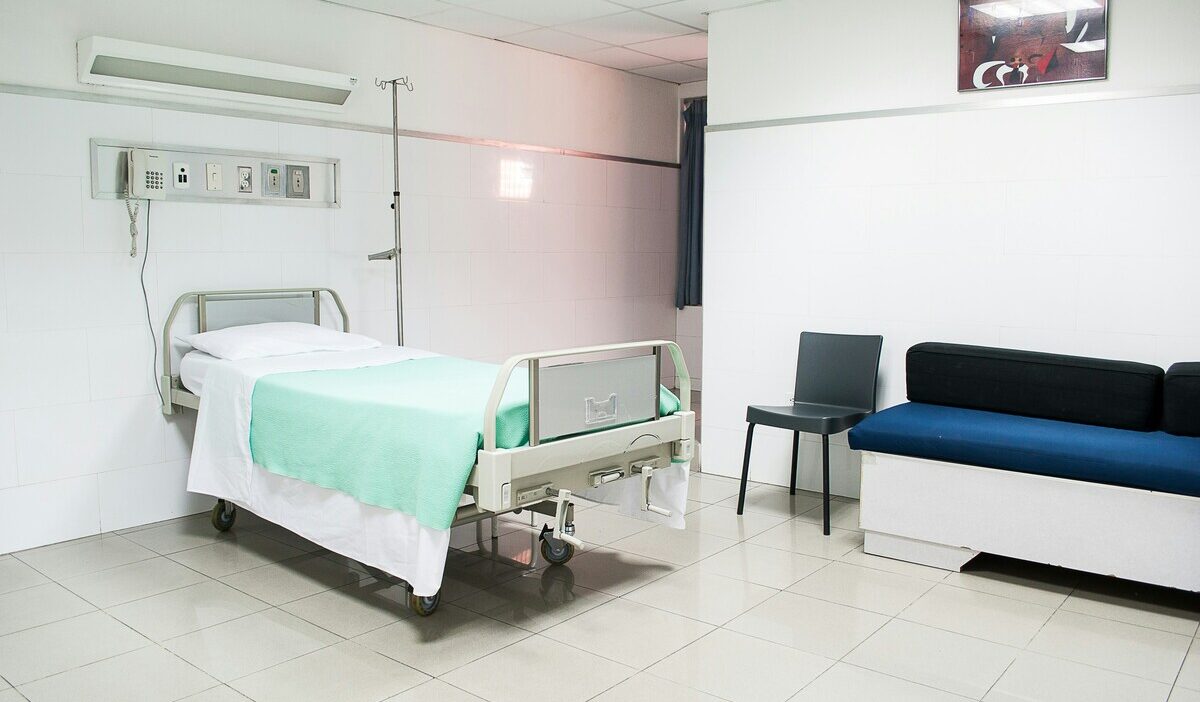
Mental health is finally being talked about more openly, but many people still feel uneasy when they hear the term “mental hospital.” Movies and old stereotypes have created a lot of confusion and fear.
In reality, understanding what is a mental hospital can make the idea far less intimidating and much more practical.
1. What Is a Mental Hospital?
At its core, what is a mental hospital can be answered simply: it is a medical facility that provides intensive care for people experiencing severe mental health conditions that cannot be safely managed at home or in outpatient settings.
People often ask what is a mental hospital called, and the answer varies. It may be referred to as a psychiatric hospital, behavioral health hospital, or mental health facility, depending on the country and healthcare system.
Despite different names, the core purpose remains the same: providing structured, short-term or long-term mental health care.
What Is a Mental Hospital For?
To fully understand what is a mental hospital, it’s important to know what is a mental hospital for. These facilities are designed to help individuals during periods of acute mental distress when symptoms become overwhelming or dangerous.
A mental hospital provides crisis stabilization, accurate diagnosis, medication management, and continuous monitoring. It is often used when someone is at risk of harming themselves or others, experiencing severe psychosis, or is unable to care for basic needs due to their mental state.
Rather than offering casual counseling, a mental hospital delivers structured treatment plans that may include therapy, medication adjustments, and close observation.
The goal is stabilization, not punishment, and helping patients reach a point where they can safely continue treatment outside the hospital.
What Is a Mental Hospital Like?
One of the most common fears people have is what is a mental hospital like. The reality is far more ordinary and humane than popular culture suggests.
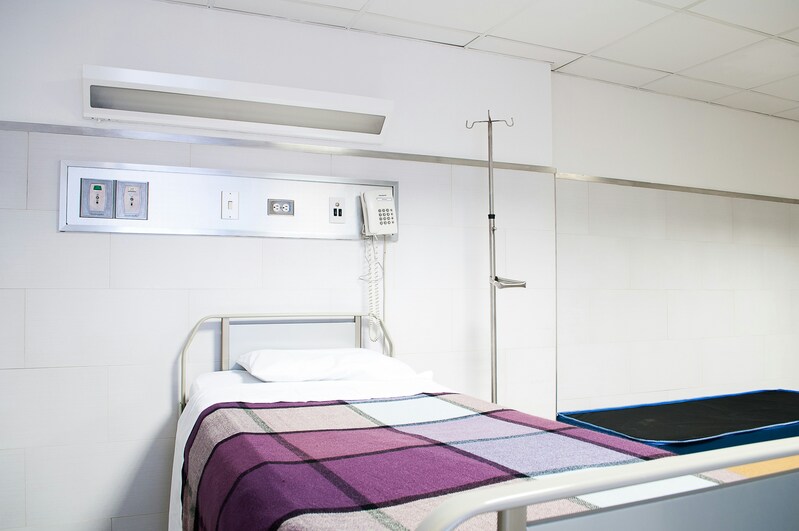
Most modern mental hospitals are calm, structured environments with private or semi-private rooms, shared spaces for meals and activities, and daily schedules. Patients attend therapy sessions, meet with doctors, eat regular meals, and follow routines designed to promote stability.
Security measures exist, but they are there to protect patients, not restrict them unnecessarily. Personal dignity, privacy, and safety are central principles. Understanding what is a mental hospital like often replaces fear with relief for those who eventually need care.
2. Mental Hospital vs Other Mental Health Facilities
Outpatient clinics allow patients to live at home and attend scheduled therapy sessions. Residential treatment centers provide longer-term care in less intensive settings. In contrast, a mental hospital offers the highest level of care, typically for short periods during crises.
The difference is intensity. A mental hospital provides 24/7 supervision, immediate medical intervention, and rapid response to changes in mental state. This level of care is necessary when symptoms are too severe to manage elsewhere.
3. Who May Need Care in a Mental Hospital?
People who require care in a mental hospital come from all walks of life. Mental illness does not discriminate by age, income, or background.
Individuals experiencing severe depression with suicidal thoughts, acute anxiety that prevents daily functioning, psychotic episodes, or manic states may need hospitalization. Others may enter a mental hospital after traumatic events or sudden medication reactions.
Needing a mental hospital does not mean someone has “failed” at managing their mental health. In many cases, it means they are taking responsible action to protect themselves and others.
Recognizing what is a mental hospital as a form of medical support helps reduce shame and stigma.
4. How Long Do People Stay in a Mental Hospital?
A common question tied to what is a mental hospital is how long patients stay. The length of stay varies depending on the individual’s condition, response to treatment, and safety needs.
Many hospitalizations last from a few days to a few weeks. The primary goal is stabilization, not long-term residency. Doctors regularly assess progress and adjust treatment plans to prepare patients for discharge as soon as it is safe.
>>> Read more: Does Medicaid Cover Dental Implants? Rules & Eligibility
Longer stays may occur for complex conditions, but indefinite confinement is not standard practice.
5. What Happens After Leaving a Mental Hospital?
Leaving a mental hospital is not the end of treatment; it is a transition. Aftercare planning is a crucial part of the discharge process and a major reason why what is a mental hospital matters within the broader mental healthcare system.
Patients often leave with a treatment plan that includes outpatient therapy, medication management, and follow-up appointments. Some may enter partial hospitalization programs or intensive outpatient care for additional support.
>>> Read more: Does Medicaid Cover Invisalign? Coverage Rules & 4 Steps
This continuity of care reduces relapse risk and helps individuals reintegrate into daily life. A mental hospital is not meant to replace long-term treatment but to serve as a stabilizing step when needed.
6. When to Seek Help for Mental Health Concerns
Warning signs include thoughts of self-harm, hallucinations, extreme mood swings, inability to function, or feeling completely out of control.
Seeking help early can prevent crises from escalating. According to the National Institute of Mental Health (NIMH), early intervention significantly improves outcomes for many mental health conditions.
The World Health Organization also emphasizes that mental health conditions are medical issues, not personal failures.
Recognizing these facts reinforces what is a mental hospital as a place of care, not judgment.
7. Mental Hospitals: FAQs
Is a mental hospital the same as being “locked up”?
No. In reality, mental hospitals are healthcare facilities governed by strict medical and legal standards. Most admissions are voluntary, meaning patients agree to receive care. Even in involuntary situations, there are legal safeguards, regular reviews, and patient rights designed to protect autonomy and dignity.
Can you be forced to stay in a mental hospital?
In limited cases, a person may be temporarily hospitalized without consent if doctors determine there is an immediate risk of serious harm to themselves or others. However, this is tightly regulated by law, time-limited, and subject to professional and legal review.
Will being in a mental hospital permanently affect my record?
Another common fear related to what is a mental hospital is permanent labeling. Mental health hospitalization is confidential medical information, similar to treatment for any other serious health condition. It does not automatically appear on public records, employment background checks, or academic files. Privacy laws protect patient information in most countries.
Conclusion: What Is a Mental Hospital
So, what is a mental hospital really? It is a medical facility designed to support people during the most difficult moments of mental illness. It provides safety, professional care, and a path toward recovery when other options are not enough.
Mental hospitals are not places to be feared; they are places where healing can begin when it matters most.