

Blurred vision. Faded colors. Trouble seeing at night. Cataracts can slowly change how you experience the world, making everyday tasks like reading, driving, or recognizing faces more difficult. Because cataracts are especially common among older adults, many people eventually ask the same essential question: Does Medicare cover cataract surgery?
1. Cataract Surgery and Medicare Coverage Explained
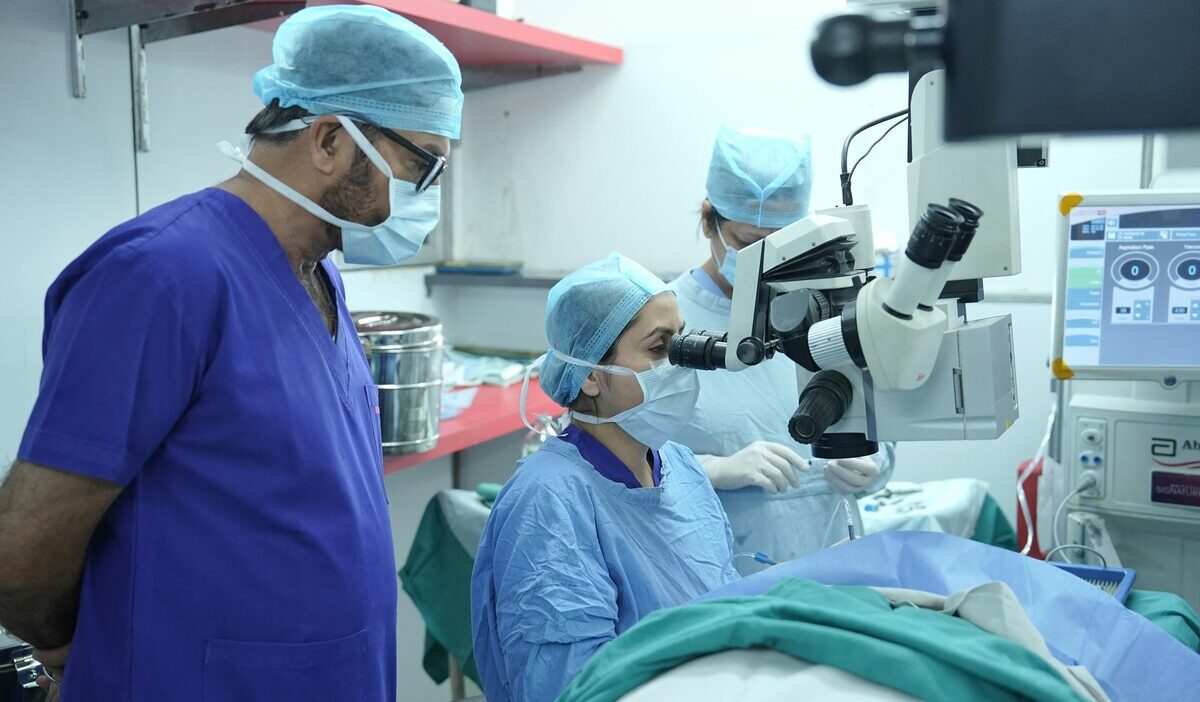
Cataract surgery is one of the most common and successful procedures performed in the United States. It involves removing the cloudy natural lens of the eye and replacing it with an artificial intraocular lens (IOL).
Because cataracts can significantly impair vision, Medicare generally considers cataract surgery medically necessary once vision problems interfere with daily activities.
2. Does Medicare Cover Cataract Surgery?
For most beneficiaries enrolled in Medicare Part B, the answer is yes when the procedure is deemed medically necessary by a doctor.
According to Medicare’s official coverage information, cataract surgery with implantation of a conventional intraocular lens is covered under Part B.
This typically includes:
- The surgical procedure
- Removal of the cataract
- Implantation of a standard intraocular lens
- Facility and physician services
However, coverage does not mean the surgery is entirely free. Medicare Part B usually pays 80% of the approved amount after you meet your annual deductible. You are responsible for the remaining 20%, unless you have supplemental coverage.
>>> Read more: Does Medicaid Cover Braces? Kids, Adults & Approval
So when asking does Medicare cover cataract surgery, it’s important to understand both coverage and cost-sharing responsibilities.
Which Parts of Medicare Cover Cataract Surgery?
If you’re wondering does Medicare cover cataract surgery under all parts, here’s how it works:
Medicare Part B covers medically necessary outpatient cataract surgery, including the implanted lens.

Medicare Advantage (Part C) plans must provide at least the same coverage as Original Medicare, and often follow similar rules. Out-of-pocket costs may differ depending on the plan.
Medicare Part A may apply if complications require hospital admission, though most cataract surgeries are outpatient procedures.
Because cataract surgery is generally performed in an outpatient setting, Part B is the primary coverage source when determining does Medicare cover cataract surgery.
Does Medicare Cover Cataract Surgery for Seniors?
A very common variation of the question is: Does Medicare cover cataract surgery for seniors?
Since Medicare primarily serves people age 65 and older, most cataract patients fall into this category. The answer remains yes: if you qualify for Medicare and the surgery is medically necessary, it is covered.
There is no separate rule based solely on age beyond Medicare eligibility. So, when asking does Medicare cover cataract surgery for seniors, the coverage guidelines are the same as for any Medicare beneficiary.
Does Medicare Cover Laser Cataract Surgery?
Traditional cataract surgery uses ultrasound technology (phacoemulsification) to break up and remove the cloudy lens. Laser-assisted cataract surgery uses femtosecond laser technology to perform certain steps of the procedure.
Medicare covers the medically necessary portion of cataract surgery regardless of whether traditional or laser techniques are used.
However, if the laser method involves additional charges beyond what Medicare approves, you may have to pay the difference out of pocket.
In other words, when asking does Medicare cover laser cataract surgery, the answer is partially yes, but only up to the Medicare-approved amount for standard surgery.
3. What Type of Lens Does Medicare Cover for Cataract Surgery?
Medicare covers a standard monofocal intraocular lens (IOL). This type of lens corrects vision at one distance, typically set for either near or far vision.
If you choose a premium lens, such as multifocal, toric (for astigmatism), or accommodating lenses, Medicare will still pay the amount it would have paid for a standard lens. However, you must pay the additional cost associated with the premium upgrade.
So, when asking what type of lens does Medicare cover for cataract surgery, the answer is a conventional monofocal lens.
>>> Read more: Does Medicaid Cover Vision? Eye Exams & Limits Explained
Premium lenses can improve convenience by reducing dependence on glasses, but they are considered elective upgrades and are not fully covered.
4. Does Medicare Cover Glasses After Cataract Surgery?
After surgery, many patients also ask: Does Medicare cover glasses after cataract surgery?
Medicare Part B covers one pair of eyeglasses or contact lenses after cataract surgery with an implanted intraocular lens. This benefit applies once per surgery and must be obtained through a Medicare-approved supplier.
This is one of the few situations where Medicare covers routine vision correction.
However, if you later need additional glasses or prescription updates unrelated to cataract surgery, those are typically not covered.
So the answer to does Medicare cover glasses after cataract surgery is yes but only one pair per surgery, and specific rules apply.
5. What Costs Might You Still Pay Out of Pocket?
Even though does Medicare cover cataract surgery can be answered with yes, there are still potential out-of-pocket expenses.
You may pay:
- The annual Part B deductible
- 20% coinsurance of the Medicare-approved amount
- Additional fees for premium lenses
- Facility copayments under Medicare Advantage
The total amount depends on your supplemental insurance. Many beneficiaries carry Medigap policies that help cover coinsurance.
According to the National Eye Institute, cataract surgery is highly successful and improves vision in the vast majority of cases.
Understanding both the medical and financial aspects helps you plan effectively when considering does Medicare cover cataract surgery.
6. FAQs
Will Medicare pay for cataract surgery in 2026?
As of the current federal guidelines, yes. Medicare Part B continues to cover medically necessary cataract surgery. While healthcare policies can evolve, there have been no announcements eliminating coverage. If you’re asking, does Medicare cover cataract surgery in 2026? The answer remains yes under current rules.
How much does Medicare pay for cataract surgery?
Medicare typically pays 80% of the approved amount after you meet your deductible. The exact amount depends on where the surgery is performed and the Medicare-approved rates for your region.
Can I claim cataract surgery on Medicare?
If you are enrolled in Medicare and your doctor determines the procedure is medically necessary, it is billed directly to Medicare. You do not “claim” it separately; your provider submits the claim on your behalf.
Conclusion
So, does Medicare cover cataract surgery?
Yes, when it is medically necessary, Medicare Part B covers cataract surgery, including implantation of a standard intraocular lens. Medicare Advantage plans also cover it, though cost-sharing varies.