


If you are wondering what are the best pets for seniors, the answer depends on more than simply choosing a small or quiet animal. The right pet should match your mobility, living space, budget, and ability to manage daily care.
Calm dogs, adult cats, fish, birds, and other low-maintenance pets can all be good options for older adults. This guide compares the best choices, explains what makes a pet senior-friendly, and helps you find a companion that fits your lifestyle.
1. What Are the Best Pets for Seniors: Quick Answer
The best pets for seniors are usually animals that match the owner’s mobility, energy level, living space, and ability to provide daily care. For many older adults, lower-maintenance pets are easier to manage and still provide companionship.
- Adult or senior cats: Independent, affectionate, and do not need outdoor walks.
- Small, calm dogs: Offer close companionship and may suit seniors who can manage regular walks and basic grooming.
- Fish: Quiet and relaxing to watch, although tanks still require routine cleaning and water care.
- Small birds: Social and engaging, but need daily feeding, cage maintenance, and interaction.
- Guinea pigs: Gentle and social, but require fresh food, enclosure cleaning, and regular handling.
- Reptiles: Some species need little daily interaction but require proper habitat setup and temperature control.
- Therapy and visiting animals: Provide companionship for seniors who cannot manage full-time pet ownership.
There is no single best pet for every senior. The right choice depends on daily care needs, cost, temperament, housing rules, and the owner’s lifestyle.
2. What Makes a Pet Suitable for Seniors?
A pet is senior-friendly when its care needs fit the owner’s mobility, energy level, budget, and living space. Calm temperament and manageable size are important, but they are not the only factors to consider.
Look for a pet that:
- Has manageable exercise needs: Daily activity should match your physical ability.
- Is easy to handle: Smaller or well-trained animals may be safer around people with balance or mobility concerns.
- Requires reasonable grooming: Frequent brushing, bathing, or professional grooming can add extra work and cost.
- Fits your home: Consider apartment rules, available space, noise, and access to outdoor areas.
- Has realistic daily care needs: Feeding, cleaning, veterinary care, and companionship should fit comfortably into your routine.
What are the best pets for seniors is the pet you can care for safely and consistently over time.
3. Best Pets for Seniors
Each option below is listed with its real upkeep, not just its good points. Some pets look easy but need more daily care than people expect. Read through all eight before you settle on one.
Cats
Cats are independent but still affectionate, which suits many older adults living alone. They also need no outdoor walks, so weather is never a problem.
- Independent, yet still enjoy company
- Fit well in apartments
- No daily walks required
- Still need litter box cleaning and vet care
- An adult cat with a calm nature is often easier than a kitten
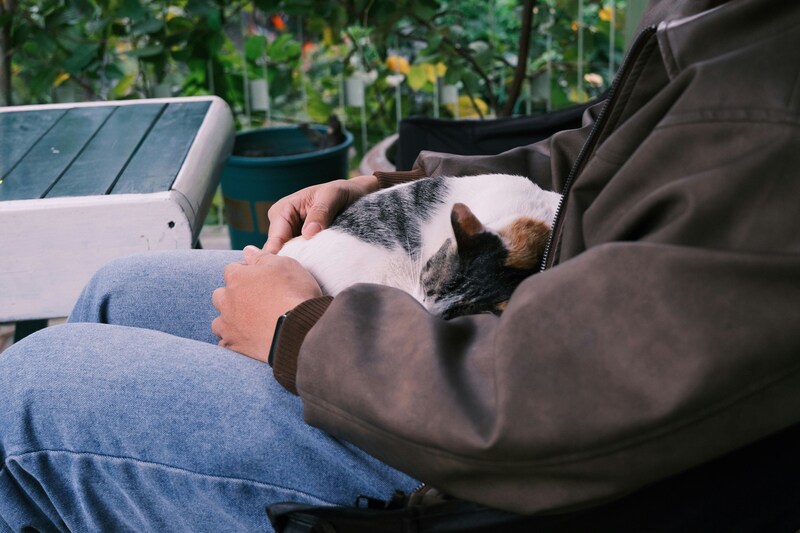
Small or Low-Energy Dogs
A dog gives you real company and a daily routine. Walks also get you outside and moving, which many seniors count as a benefit.
- Strong companionship
- Encourage regular walks and activity
- Give your day structure
- Think about size, strength, grooming, and training before choosing
Breed matters a lot here, since energy levels vary widely even among small dogs.
>>> Related: 10 Best Dog Breeds for Seniors (Small, Calm, and Easy to Care For)
Fish
A fish tank asks nothing of you physically. Many people find watching fish calming, and there is no lifting, walking, or grooming involved.
- Quiet and relaxing to watch
- No handling or walks needed
- Tank cleaning and water testing still take time
- A good pick if you would rather watch a pet than hold one
Birds
When considering what are the best pets for seniors, birds can be a good option for people who want companionship without daily walks. Many species are social and interactive, although their care needs vary widely.
- Offer company and daily interaction
- Some species are highly social
- Cage cleaning and daily attention are required
- Lifespans vary a lot, from 5 years to over 50 depending on the species
That last point matters. A parrot can outlive its owner, so ask about lifespan before you buy.
Rabbits
Rabbits are quiet and can be affectionate once they trust you. They are often less low-maintenance than people expect, though.
- Quiet and social
- Can be affectionate with gentle handling
- Need proper housing, a specific diet, and regular cleaning
- Vet care can be harder to find and costs more than for cats or dogs
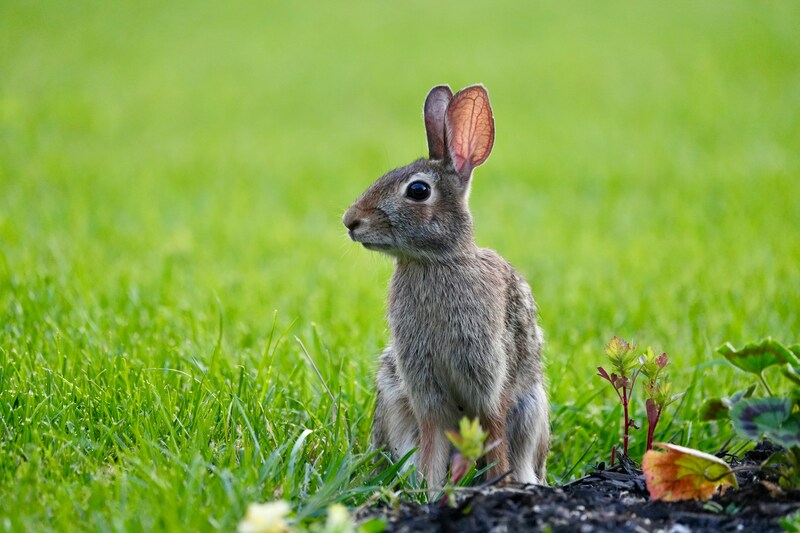
Guinea Pigs
Guinea pigs are small, social, and enjoy being handled. They suit someone who wants to interact with a pet without the size of a dog.
- Small and friendly
- Good for people who like handling smaller animals
- Need regular cage cleaning and the right diet
- Handling may be hard if you have weak hands or wrist pain
Reptiles
Reptiles stay quiet and need less daily interaction than most pets. The trade-off is that their care is more technical.
- Generally silent
- Some species need very little handling
- Require special heating, lighting, and habitat setup
- Better suited to someone comfortable with detailed care routines
Therapy and Visiting Animals
You do not have to own a pet to spend time with animals. Several options give you the company without the long-term commitment.
- Visiting therapy animals at senior centers or hospitals
- Volunteering at a local animal shelter
- Spending regular time with a family member’s pet
- Pet-sitting for a neighbor or relative
This route works well if your health, housing, or travel plans make full ownership difficult.
4. Best Pets for Seniors Based on Lifestyle
When deciding what are the best pets for seniors, lifestyle matters more than simply choosing a favorite animal. A dog that suits an active retiree may be too demanding for someone with limited mobility, while a cat, fish, or bird may fit more comfortably into a quieter routine.
The options below group senior-friendly pets by activity level, living situation, and daily care needs.
- Best for Companionship
Cats and dogs give the most direct daily interaction. Both recognize you, respond to you, and settle into a routine alongside yours.
- Best for Limited Living Space
Cats, fish, and small caged pets all fit into an apartment. None need a yard or outdoor space to stay healthy.
- Best for Seniors Who Want Minimal Physical Activity
Fish and small caged pets ask the least from you physically. There is no lifting, walking, or bending involved beyond basic cleaning.
- Best for Active Seniors
A dog fits best if you already walk daily. The routine of walks suits someone who wants a reason to get outside.
- Best for Seniors Who Do Not Want Full-Time Ownership
Pet-sitting, fostering, volunteering, and visiting therapy animals all give you time with animals. None of them lock you into 10 or 15 years of care.
>>> Related: 12 Best Hobbies for Seniors to Stay Active, Creative, and Connected
5. What to Consider Before Getting a Pet
The costs and daily work of a pet add up well beyond the adoption fee. Answering these questions honestly now saves stress for you and the animal later. Go through the full list when you’re considering what are the best pets for seniors.
- Can you physically manage this pet, including lifting and cleaning?
- Can you afford food, supplies, grooming, and vet care?
- Is your home set up for this animal?
- Who cares for the pet if you travel or get sick?
- What happens to the pet if your health or housing changes?
- Does the pet’s expected lifespan fit your plans?
- Do family or friends live close enough to help?

6. Should Seniors Adopt an Adult or Senior Pet?
An adult or older pet is often a better match than a young one. Puppies and kittens take months of training and have unpredictable energy. An adult animal is usually past that stage entirely.
Shelters can also tell you an adult pet’s real personality before you commit. You know whether the cat is calm, whether the dog pulls on a leash, and how it acts around people. That information simply is not available with a puppy or kitten.
Shelters and rescues are full of adult animals looking for quiet homes. Many run programs that pair older pets with older adults at a reduced fee.
>>> Read more: 30+ Senior Photo Ideas: Creative Poses and Picture Ideas
7. FAQs
What is the easiest pet for a senior?
A calm adult cat or a fish tank asks the least from you day to day. Cats need no walks, and fish need no handling at all.
What should a 70 year old be doing every day at home?
Light daily activity, social contact, and a simple routine all help. A pet can support all three, though it is only one of many ways to build that structure.
What is the best pet for an 80 year old?
An adult cat, a small calm dog, or a fish tank tend to suit this age well. The right pick depends on your mobility and who can help if you need it.
What is the best dog for a 70 year old woman?
Small, calm breeds like a Cavalier King Charles Spaniel, Shih Tzu, or Maltese are common choices. All three need only short walks and are easy to handle.
Final Thoughts
So, what are the best pets for seniors? The right choice depends on your lifestyle, mobility, living space, budget, and how much daily care you are comfortable providing. Adult cats, calm small dogs, fish, birds, and other lower-maintenance animals can all be good companions when their needs match your routine.