
Finding the right hobbies for seniors often comes down to matching an activity to how much time, money, and company someone actually wants. Some hobbies work well solo at home, while others open the door to a new social circle.
This guide covers 12 hobby ideas across three categories, sorted by budget, and broken down by whether the goal is staying home or meeting new people.
1. Best Hobbies for Seniors
Choosing a hobby often comes down to matching an activity to available time, energy, and whether company is wanted or not.
You should group ideas by type, from physical activity to quiet creative work, which makes it easier to find one that actually fits a daily routine. The three categories below cover the most common starting points.
Physical and Outdoor Hobbies
Active older adults don’t necessarily need high-intensity exercise, especially with hobbies that require regular, gentle movement. These four options work well for building movement into a regular weekly routine.
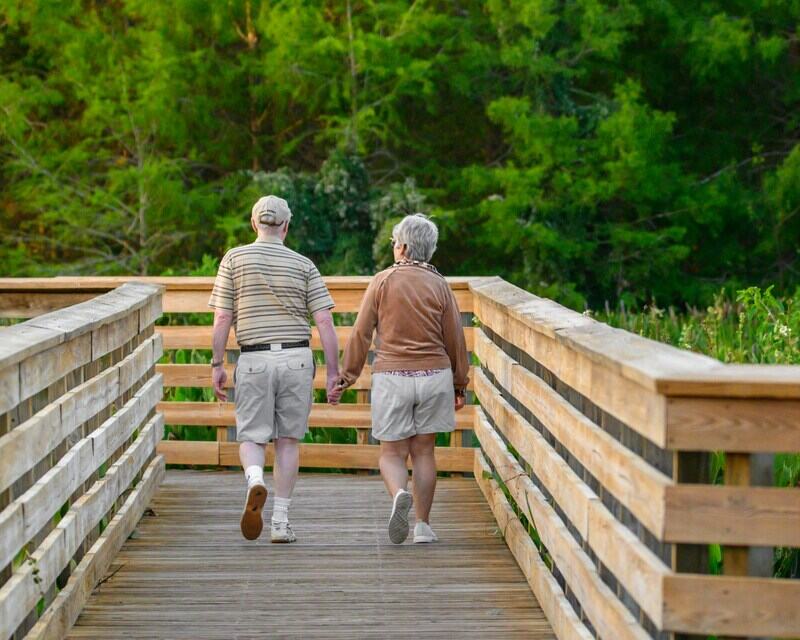
- Walking or hiking: A low-cost way to stay active outdoors, with no equipment beyond a good pair of shoes.
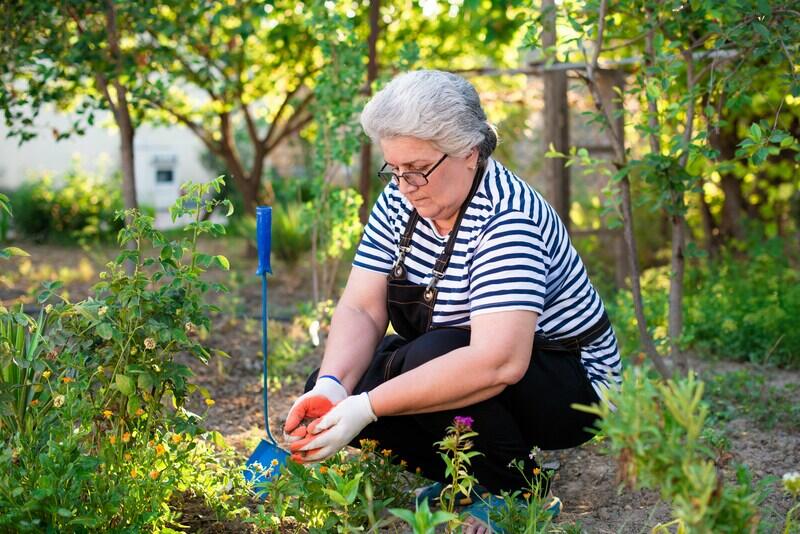
- Gardening: Combines light physical activity with a visible, ongoing project to tend.
- Water aerobics or swimming: Easier on the joints than most land-based exercise, and available at many community pools.
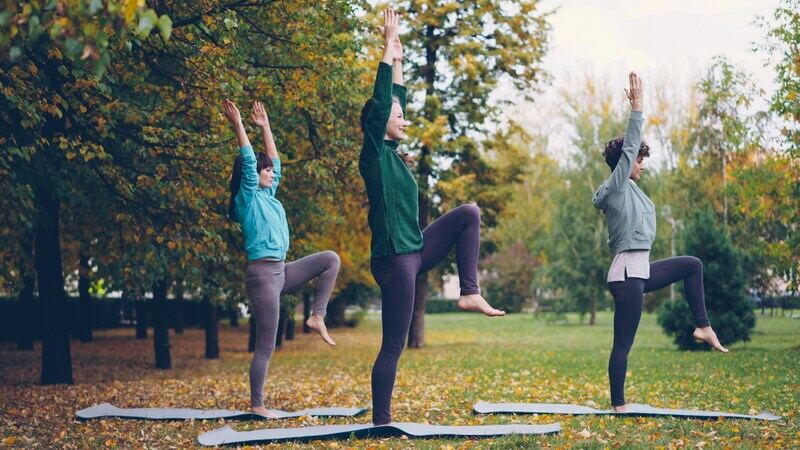
- Yoga or tai chi: Builds balance and flexibility at a pace that can be adjusted to any mobility level.
Creative and Hands-On Hobbies
A creative hobby gives the hands and mind something to focus on, often with a finished result to show for it. These four options need only basic supplies to get started.
- Painting or drawing: Needs only basic supplies to start and can be done in short sessions.
- Knitting or crocheting: Portable enough to bring along to appointments or family visits.
- Pottery or ceramics: Often taught in group classes, which adds a social element to the craft.
- Cooking or baking: Turns an everyday task into a hobby, with results that can be shared with family.
According to the National Institute on Aging, staying engaged in hobbies and physical activity supports both physical health and mental well-being in older adults.

Mental and Social Hobbies
Keeping the mind active matters as much as staying physically active, especially for hobbies that also involve other people. These four options combine mental challenge with regular social contact.
- Book clubs: Pairs reading with regular conversation, which keeps the hobby social rather than solitary.
- Puzzles and board games: Work well solo or with others, depending on the day.
- Learning a new language: Gives the brain an ongoing challenge, with plenty of free apps to start.
- Volunteering: Adds structure and purpose, often with a set schedule to look forward to.
2. Best Hobbies for Seniors Based on Budget
Cost is often the deciding factor in whether a hobby actually gets started, not just whether it sounds appealing. Some hobbies need nothing more than time, while others call for real upfront spending on gear or lessons.
Seniors can choose one of the three tiers below to break this down before spending the money.
Free or Low-Cost Hobbies
These hobbies need little more than time to start, making them a good first step before spending anything. All six can typically begin the same day with items already on hand.
- Walking
- Reading from the library
- Writing
- Birdwatching
- Volunteering
- Photography with a smartphone
Hobbies Under $50 to Start
This tier covers hobbies that need a small amount of basic equipment or supplies to begin. Most starter kits or supplies for these six options stay well under $50.
- Gardening
- Painting
- Puzzles
- Knitting
- Baking
- Board games
Hobbies for a Bigger Investment
These five hobbies involve real upfront cost, whether for equipment, lessons, or travel. They are worth trying in a lower-cost form first, since the investment is harder to recover if the hobby does not stick.
- Golf exercises for seniors
- Photography equipment
- Musical instruments
- Woodworking
- Travel
A round of golf at a public course costs far less than a full set of clubs, for example, and testing the hobby first avoids an expensive mismatch.
>>> Related: Senior Travel Groups: Where to Find Fun, Affordable, and Senior-Friendly Trips
3. Hobbies for Seniors at Home
Not every hobby requires leaving the house, which matters on days when getting out is harder or simply not appealing. These five options bring the same variety, mental engagement, and social connection indoors.
The best hobbies for senior men and women below are ideal for a regular part of a daily routine.
- Indoor container gardening: Brings the gardening hobby inside for anyone without yard space.
- Journaling or scrapbooking: A quiet, reflective hobby that needs no special skill to start.
- Video calls with family and virtual clubs: Keeps the social side of a hobby going without leaving home.
- Chair yoga or stretching routines: A gentler entry point for anyone who finds standing yoga difficult.
- Jigsaw puzzles and card games: Easy to pick up and set down between other tasks during the day.
4. Hobbies for Seniors to Meet New People
The hobby itself matters less here than where it happens, since the goal is building new connections, not just filling time. Community spaces, classes, and organized groups all offer a built-in way to meet people with similar interests. The eight options below cover the most common starting points.
- Senior or community centers: Often run scheduled classes and clubs built specifically for meeting other members.
- Libraries: Host free book clubs, workshops, and lectures open to the public.
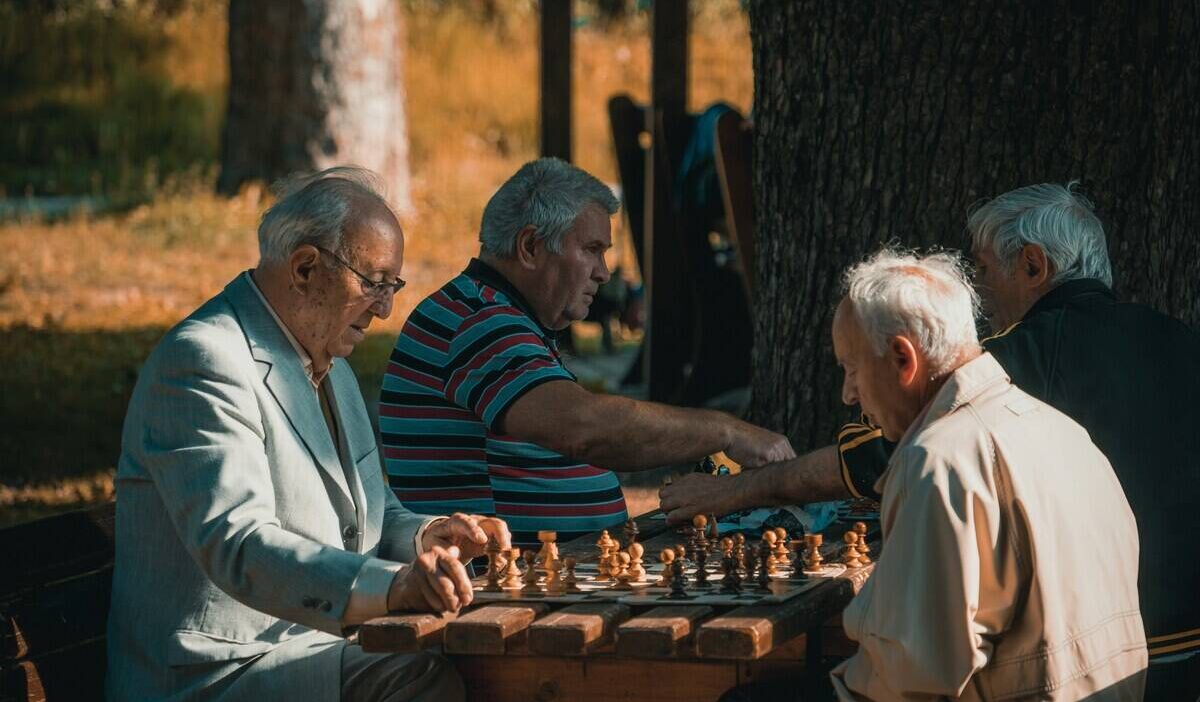
- Local clubs: Cover everything from chess to gardening, usually with a low or no membership fee.
- Volunteer organizations: Pair a shared cause with regular contact with the same group of people.
- Recreation programs: City and county programs frequently offer classes priced for a senior budget.
- Art classes: Combine a creative hobby with a built-in group setting.
- Group fitness classes: Turn exercise into a recurring social activity rather than a solo task.
- Travel groups: Structured trips remove the planning work while placing travelers with others their age.
5. How to Choose the Right Hobby as a Senior
A few honest questions make it easier to pick hobbies for seniors that actually stick, rather than one that sounds good but gets abandoned after a week. Working through budget, time, and social preference before starting narrows the list fast. The checklist below covers the questions worth answering first.
- What do you already enjoy?
- Do you want something social or something independent?
- How much time do you want to spend on it?
- What is your budget?
- Do you want to learn something completely new?
- Can the hobby fit your available space and daily routine?
Start with one hobby for a few weeks before investing heavily in equipment or supplies. This avoids spending money on gear for a hobby that turns out not to be a good fit.
>>> Related: Gardening for Seniors: Easy Setups, Tools, and Plants That Reduce Strain
6. FAQs
What hobby should a 70 year old have?
There is no single best hobby at 70, since fit depends on mobility, budget, and interests. A low-cost option like walking, reading, or gardening is a reasonable starting point for most people.
What is the most popular hobby for retirees?
Gardening and walking rank among the most common hobbies for retirees, largely because both are low-cost and adjustable to different fitness levels. Reading and volunteering also come up frequently.
What hobbies are popular with older people?
Popular hobbies for older adults include gardening, walking, reading, puzzles, and volunteering. Social hobbies like book clubs and group fitness classes are also common, since they combine activity with regular company.
What are some good hobbies for senior citizens?
Good options depend on physical ability and interest, but walking, gardening, painting, and board games are accessible starting points. Community centers and libraries often offer low-cost classes to try a hobby before committing further.
What are some things bored seniors can do alone?
Reading, journaling, puzzles, indoor gardening, and learning a new skill online are all solo activities that need no group or scheduling. Many of these can be started the same day with items already at home.
Final Thoughts
Hobbies for seniors work best when they match real interests, budget, and how much company someone wants, not just what looks good on a list.
A low-cost hobby like walking or reading is often the easiest place to start, especially before spending money on equipment for something untested. Trying a hobby for a few weeks first makes it far more likely to become a lasting habit instead of an abandoned purchase.