


Climbing stairs can become one of the biggest safety risks at home as we age. A stair lift can help, but it can also cost thousands of dollars. So, does Medicare cover stair lifts?
This guide explains what Medicare pays for, what stair lifts cost in 2026, and other ways to get help.
1. Does Medicare Cover Stair Lifts?
Original Medicare (Part A and Part B) does not cover stair lifts, even when a doctor recommends one for medical reasons.
Medicare Part B covers eligible durable medical equipment (DME), but stair lifts don’t qualify. They’re generally considered home modifications or convenience equipment rather than covered medical devices. Therefore, seniors typically must pay the full installation and equipment costs themselves.
Medigap (Medicare Supplement Insurance) generally won’t pay for stair lifts either, because it helps cover out-of-pocket costs for services Original Medicare already covers.
However, some Medicare Advantage plans, state Medicaid programs, or community organizations may offer assistance with home modifications. Original Medicare also covers certain other mobility equipment, such as medically necessary walkers and wheelchairs.
2. Does Medicare Advantage Cover Stair Lifts?
Some Medicare Advantage (Part C) plans may help cover stair lifts through supplemental home modification benefits, but coverage is uncommon. Eligibility depends on the specific plan, your health needs, and its benefit rules.
Certain plans offer home safety improvements, such as grab bars or bathroom safety equipment. Special Needs Plans for eligible beneficiaries may also offer structural home modifications, although this doesn’t guarantee coverage for stair lifts.
According to KFF’s 2026 analysis, only 0.04% of individual Medicare Advantage plans and 5% of Special Needs Plans offered structural home modification benefits.
To check your coverage, review your plan’s Evidence of Coverage or contact your insurer. Ask specifically about stair lifts, benefit limits, approved installers, and prior authorization requirements.
3. How Much Does a Stair Lift Cost Without Medicare?
Since the answer to does Medicare cover stair lifts is usually no, most people pay out of pocket. According to Angi’s 2026 data, the average stair lift costs about $7,050 installed, but prices vary widely.
| Type | Typical Cost |
| Straight stair lift | 2,000–9,000 |
| Curved stair lift | Up to $25,000 |
| Used stair lift | 1,500–3,000 |
| Rental | 300–500 per month, plus fees |
Your price depends on your staircase design, rail length, installation complexity, and features such as power source, folding rails, or swivel seats. Curved staircases cost the most because the rail must be custom-made. Labor usually makes up 15% to 25% of the total.
Plan for extra costs, too. These include maintenance, repairs, and removal fees if you no longer need the lift. Renting or buying a refurbished stair lift can lower your upfront cost, especially for short-term needs.
>>> Read more: Does Medicare Cover Chiropractic? What’s Covered, What’s Not, and Visit Limits Explained
4. How Can Seniors Get Help Paying for Stair Lifts?
If you’re wondering does Medicare cover stair lifts, Original Medicare doesn’t, but other programs may help. Medicaid, veterans’ benefits, and community assistance programs could help reduce the cost of installing a stair lift.
Medicaid and Home Modification Waivers
Some state Medicaid Home and Community-Based Services (HCBS) programs cover home modifications, potentially including stair lifts, to help eligible individuals remain safely at home.
Coverage varies by state and program. Eligibility may depend on income, assets, disability, and care needs. Some waivers also have enrollment limits or waiting lists. Contact your state Medicaid agency to check available benefits.
VA Benefits and Other Financial Assistance
The VA’s Home Improvements and Structural Alterations (HISA) program excludes stair glides and porch lifts. However, eligible veterans with qualifying service-connected disabilities may receive assistance through Specially Adapted Housing (SAH) or Special Housing Adaptation (SHA) grants.
Local Area Agencies on Aging, state assistive technology programs, and nonprofits may also offer financial assistance or accessibility services, depending on local availability.
Renting or Buying a Used Stair Lift
Renting may be practical for short-term needs, such as recovery after surgery. Refurbished stair lifts can reduce upfront costs, particularly for straight staircases.
Before purchasing, confirm the lift fits your staircase, arrange professional installation, and review warranty and maintenance terms.
5. What Mobility Equipment Does Medicare Cover Instead?
Does Medicare cover home stair lifts in any form? No, but Part B does cover several types of DME that can help with mobility:
- Manual wheelchairs and walkers
- Power wheelchairs and scooters, with a face-to-face exam and written order
- Patient lifts for moving between a bed and chair
- The lifting mechanism of a seat lift chair, if you meet Medicare’s criteria
To qualify, the equipment must be medically necessary and prescribed by your doctor, and you must use a Medicare-enrolled supplier. After the $283 Part B deductible in 2026, you typically pay 20% of the Medicare-approved amount.
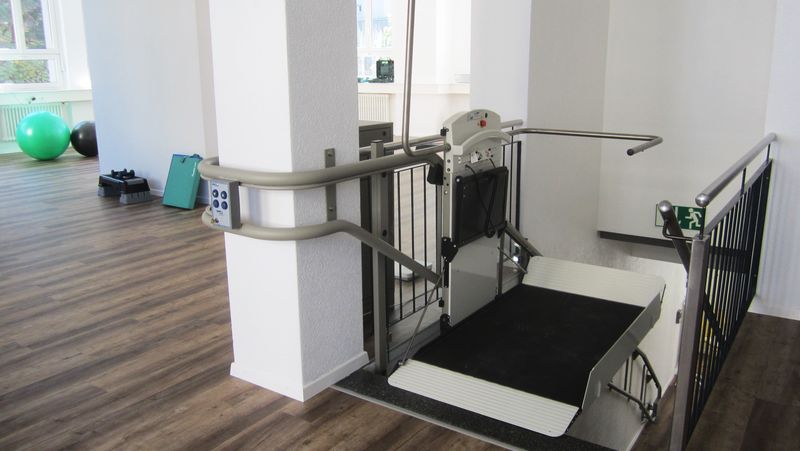
These devices can help you move around safely, but they don’t do the job of a stair lift. They won’t carry you between floors of your home.
>>> Read more: Will Medicare Pay for a Lift Chair? What Seniors Should Know Before Buying One
6. How to Check Your Coverage Before Buying a Stair Lift
Before you spend thousands of dollars, take these steps:
- Check your Medicare Advantage benefits. Look for home safety or supplemental benefits in your Evidence of Coverage.
- Ask your insurer directly. Find out whether home modifications or stair lifts are covered, and how much.
- Get approval details in writing. Request written information about eligibility, prior authorization, and approved vendors.
- Contact your state Medicaid agency or Area Agency on Aging. Ask about HCBS waivers and local grant programs.
- Compare installation quotes. Get at least two or three quotes from licensed dealers, and ask what’s included.
7. FAQs
What stair lifts are covered by Medicare?
None. Whether you’re asking does Medicare cover stair chair lifts, curved models, or platform lifts, Original Medicare doesn’t pay for them. Some Medicare Advantage plans or Medicaid programs may help.
What can seniors do instead of a stair lift?
Options include moving your bedroom to the first floor, adding sturdy handrails on both sides, using a walker or patient lift, or installing a home elevator or vertical platform lift.
Can elderly people get a free stair lift?
Sometimes. Medicaid waivers, VA housing grants, state programs, and nonprofits may cover all or part of the cost for people who qualify.
What are the downsides of having a stair lift?
Stair lifts can be costly, need regular maintenance, and narrow your staircase for others. They also may not work for people who can’t transfer safely in and out of the seat.
8. Final Thoughts
So, does Medicare cover stair lifts? Original Medicare doesn’t, and Medigap won’t help, but some Medicare Advantage plans, Medicaid waivers, and local programs may. Check your benefits, ask about financial aid, and compare quotes before you buy.