
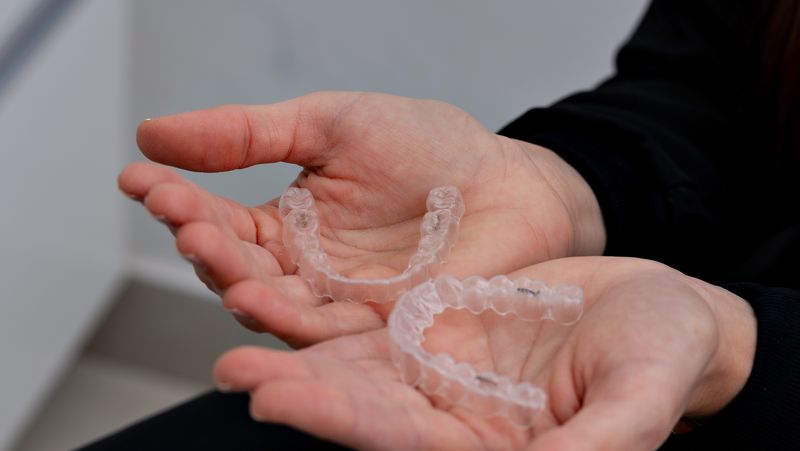
Does Medicare cover Invisalign in 2026? Original Medicare generally doesn’t cover Invisalign because it’s considered orthodontic treatment. Some Medicare Advantage plans offer dental benefits, but Invisalign coverage is uncommon.
This guide explains Medicare’s coverage rules, what Invisalign may cost out of pocket, and which alternatives could help make treatment more affordable.
1. Does Medicare Cover Invisalign?
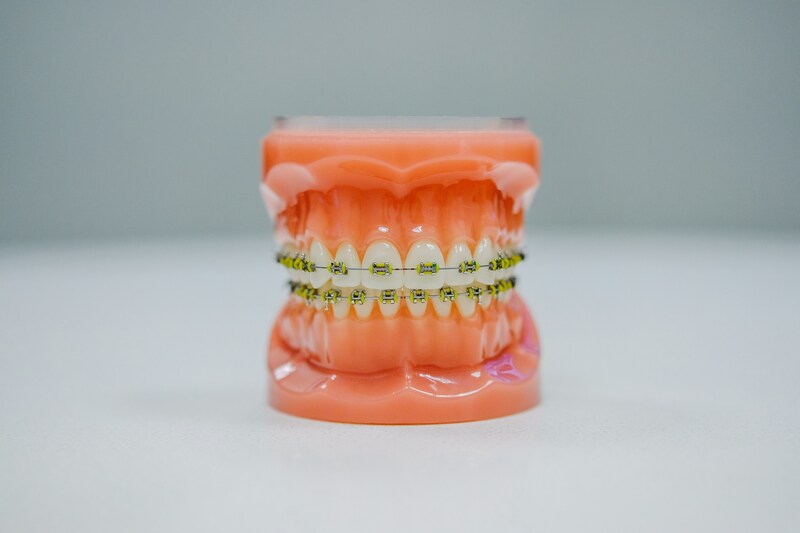
Original Medicare (Part A and Part B) does not cover Invisalign, clear aligners, or routine orthodontic treatment, including traditional braces.
Medicare generally excludes teeth-straightening treatments because they fall under routine dental care, which Original Medicare doesn’t cover. Although Medicare pays for certain dental services related to qualifying medical procedures, Invisalign isn’t ordinarily included.
Medigap (Medicare Supplement Insurance) generally doesn’t cover Invisalign either, since it doesn’t provide routine orthodontic benefits.
Some Medicare Advantage (Part C) plans offer supplemental dental coverage, but adult orthodontic benefits are uncommon, and Invisalign isn’t guaranteed to be covered.
Without eligible insurance benefits, patients typically pay out of pocket or explore private dental insurance and financing options.
2. Why Original Medicare Excludes Clear Aligners
To understand why the answer to does Medicare cover Invisalign for is no, it helps to know how Medicare handles dental care.
The Medicare Dental Exclusion
Federal law excludes most routine dental services, including cleanings, fillings, dentures, and orthodontic treatments. Invisalign falls under this exclusion because its primary purpose is to straighten teeth and correct alignment rather than support a Medicare-covered medical procedure.
The Narrow Medical Exceptions
CMS allows coverage for certain dental services directly linked to qualifying medical treatments, such as organ transplants, heart valve surgery, and some cancer treatments.
These services must be medically necessary for the success of the covered treatment, with appropriate care coordination. The exceptions don’t ordinarily extend to Invisalign or routine orthodontic care.
3. Does Medicare Advantage Cover Invisalign?
Most Medicare Advantage (Part C) plans do not cover Invisalign, even when they include supplemental dental benefits. Adult orthodontic coverage is uncommon, and many plans specifically exclude teeth-straightening treatments.
Medicare Advantage dental benefits generally focus on preventive services, such as exams and cleanings. Some plans also cover restorative treatments, including fillings, crowns, or dentures. However, these benefits don’t automatically extend to Invisalign or other clear aligners.
If a plan offers orthodontic coverage, it may have annual benefit limits, provider network requirements, prior authorization rules, or restrictions on eligible treatments.
To confirm coverage, check your plan’s Evidence of Coverage for “orthodontics,” “Invisalign,” or “clear aligners.” Then contact your insurer to verify whether Invisalign is included and what you would pay.
>>>> Read more: Does Medicaid Cover Dental Implants? Rules & Eligibility
4. Will Medicare Cover Invisalign if It’s Medically Necessary?
Usually not. Medicare’s dental exceptions are narrow and tied to specific covered medical treatments, such as transplants, cardiac surgery, or cancer care. Even then, the answer to does Medicare cover Invisalign usually doesn’t change.
Ordinary teeth straightening or bite correction doesn’t meet these requirements, even if your dentist says it would improve your oral health. Problems like crowding, spacing, or jaw discomfort are still treated as dental issues under Medicare’s rules.
Medical necessity alone doesn’t guarantee coverage. The service must fall within one of Medicare’s covered categories, and orthodontics generally doesn’t.
If you believe your situation is unusual, such as treatment connected to a covered jaw surgery, confirm with Medicare or your plan before starting.
5. How Can You Pay for Invisalign if Medicare Doesn’t Cover It?
If the answer to does Medicare cover Invisalign is no for your plan, these options may help lower the cost.
Private Dental Insurance and Medicaid
Some private dental insurance plans include adult orthodontic coverage, often with a lifetime maximum of a few thousand dollars. Many have waiting periods of 12 months or more, so read the policy carefully before you buy.
Medicaid dental benefits for adults vary by state. Orthodontic coverage for adults is rare and usually limited to medically necessary cases. Neither private insurance nor Medicaid guarantees Invisalign coverage.
Payment Plans and Other Ways to Save
- Orthodontist financing: Many providers offer monthly payment plans, sometimes with low or no interest. Terms vary, so compare total costs.
- HSA or FSA funds: If you have a health savings account or flexible spending account, orthodontic treatment that isn’t purely cosmetic may be an eligible expense. Note that you can’t contribute to an HSA once you’re enrolled in Medicare, but you can still spend existing funds.
- Dental schools: Supervised students and residents may offer orthodontic care at a reduced price.
- Shorter treatment plans: If your case is mild, ask whether a lower-cost option like Invisalign Express is suitable.
6. How to Check Whether Your Insurance Covers Invisalign
The answer to does Medicare cover Invisalign” is generally no under Original Medicare, but some Medicare Advantage plans or private dental insurance policies may offer orthodontic benefits.
Before starting treatment, check your specific plan to see whether Invisalign is covered and what costs you may need to pay.
- Review your benefits: Check your Medicare Advantage Evidence of Coverage or dental insurance policy.
- Confirm orthodontic coverage: Make sure adult orthodontics and clear aligners specifically are covered, not just braces or children’s care.
- Check the fine print: Look for waiting periods, lifetime maximums, age limits, and exclusions.
- Get a written estimate: Ask your orthodontist for a detailed treatment plan and cost breakdown, including retainers and refinements.
- Request a pretreatment estimate: Ask your insurer to review the plan and confirm in writing what it will pay before you begin.
>>> Read more: Does Medicaid Cover Invisalign? Coverage Rules & 4 Steps
7. FAQs
How much should 4 months of Invisalign cost?
A short treatment of a few months usually falls under a lower-cost tier such as Invisalign Express. These plans often cost about $1,800 to $3,500, depending on your provider and location.
Can Medicaid pay for Invisalign for adults over 65?
It’s uncommon. Medicaid adult dental benefits vary by state, and orthodontics is rarely covered for adults. If you have both Medicare and Medicaid, check your state’s dental benefits or a D-SNP plan.
How to get Invisalign if you can’t afford it?
Since the answer to does Medicare cover Invisalign is no, start by comparing quotes and asking about payment plans. Also look into dental schools, private dental insurance with orthodontic coverage, and existing HSA or FSA funds.
Is $3,000 a good price for Invisalign?
It can be. For a mild case or Express treatment, $3,000 is reasonable. For comprehensive treatment, it’s below the typical $5,000 to $8,000 range, so confirm what’s included.
8. Final Thoughts
So, does Medicare cover Invisalign? Original Medicare doesn’t, and Medicare Advantage plans rarely cover adult orthodontics.
Check your plan’s dental benefits, get a written estimate, and explore payment plans, dental insurance, or HSA funds to make treatment more affordable.