
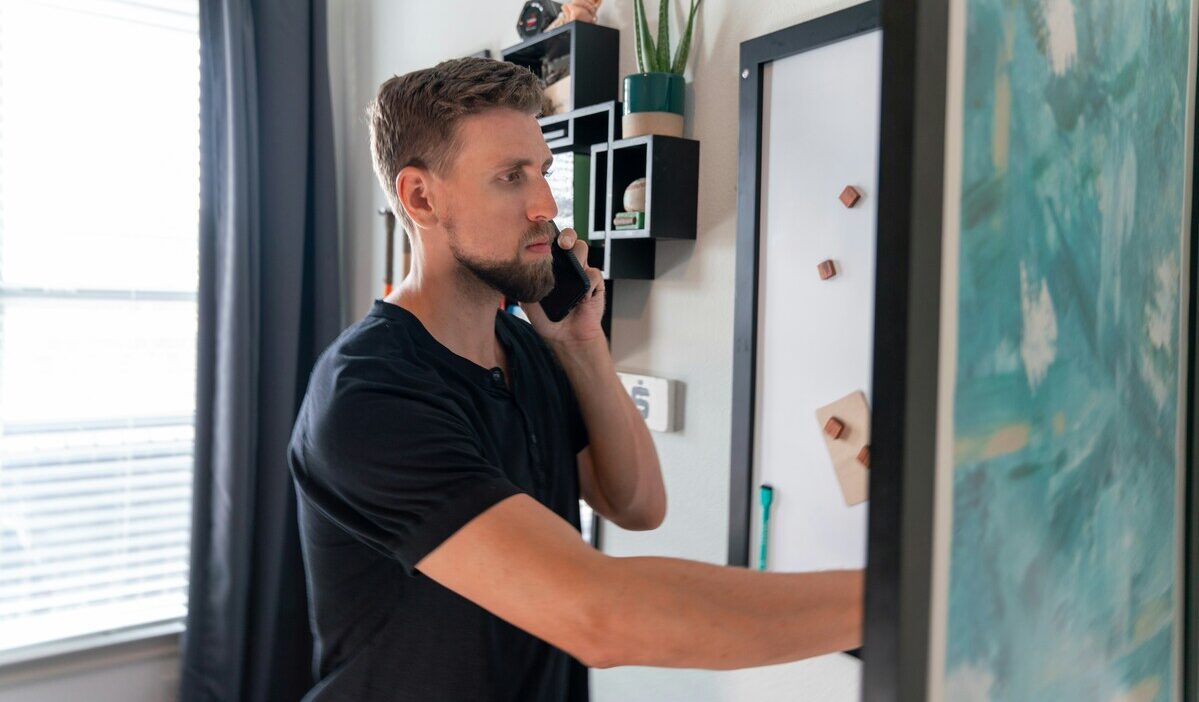
Your phone rings, and the caller says they’re from Medicare. They need to “verify” your information or send you a new card. Before you say a word, it helps to know the truth: does Medicare call you at home?
This guide explains when real calls happen, how to spot a scam, and what to do if you’ve been targeted.
1. Does Medicare Call You at Home?
No, Medicare generally does not call you at home unexpectedly. Medicare won’t make unsolicited calls demanding your Medicare number, Social Security number, banking details, or payment for a new card.
However, legitimate Medicare-related calls may happen if you previously requested assistance, reported fraud, or authorized contact.
If someone unexpectedly claims to be from Medicare, don’t share personal information. Hang up and call 1-800-MEDICARE (1-800-633-4227) yourself to verify the call.
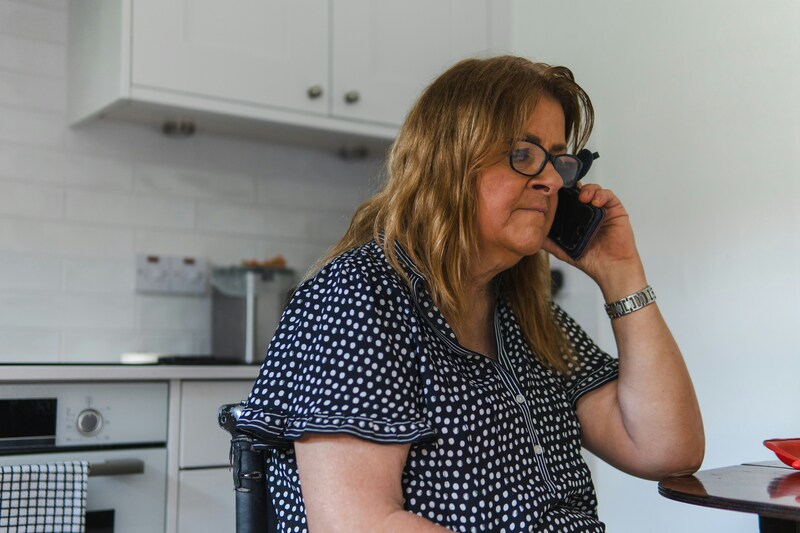
2. When Medicare Might Actually Call You
Although unsolicited calls from Medicare are uncommon, certain Medicare-related calls are legitimate. These usually involve previous contact, an existing relationship, or permission to communicate.
- Requested callbacks: A 1-800-MEDICARE representative may return your call after you’ve requested assistance.
- Fraud investigations: Medicare or an authorized representative may contact you to follow up on suspected fraud you’ve reported.
- Medicare Advantage or Part D plans: Your existing health or prescription drug plan may contact you about coverage, benefits, or administrative matters.
- Requested plan information: An insurance plan or agent may call if you’ve specifically requested information or given permission to be contacted.
Medicare and private insurance plans are not the same. Original Medicare is administered by the federal government, while Medicare Advantage and Part D plans are offered by private insurers. Their communication rules differ, but unsolicited requests for sensitive information should always be treated cautiously.
>>> Read more: Does Medicare Cover Stair Lifts in 2026? Costs & Alternatives
3. How to Tell If a Medicare Call Is a Scam
Since the honest answer to does Medicare call you at home about a new card is “rarely,” most unexpected calls deserve suspicion. Watch for these warning signs:
- Requests for your Medicare or Social Security number: Real Medicare already has this information.
- “New card” or “reactivation” claims: Scammers often say you need a new card or must reactivate your benefits.
- Threats of cancellation: Callers may warn that your coverage will end today unless you act.
- “Free” offers: Free braces, medical equipment, or genetic tests in exchange for your Medicare number are a common trick.
- Requests for bank or card details: Medicare doesn’t collect payments this way over the phone.
- High-pressure tactics: Scammers push you to decide immediately and may refuse to let you call back.
| Real Medicare or Plan Contact | Likely Scam Call |
| You requested a callback or are a plan member | Unexpected call out of the blue |
| Doesn’t ask you to “verify” your Medicare number | Asks for your Medicare or Social Security number |
| No threats about losing coverage | Threatens to cancel your benefits |
| Doesn’t ask for bank or card details | Asks for payment or banking information |
| Lets you call back through official numbers | Pressures you to act right now |
Caller ID isn’t reliable. Scammers can make a call appear to come from Medicare or a local number.
4. What Should You Do If Someone Claiming to Be Medicare Calls?
If you’re unsure whether the answer to does Medicare call you at home applies to a call you just got, follow these steps:
- Avoid sharing personal details. Don’t give your Medicare number, Social Security number, or financial information during an unexpected call.
- Hang up if you’re suspicious. Don’t follow the caller’s instructions or press any buttons to “verify” information.
- Contact Medicare directly. Call 1-800-MEDICARE (1-800-633-4227) to check whether the contact was real.
- Report suspected fraud. Contact Medicare, the FTC at ReportFraud.ftc.gov, the HHS Office of Inspector General at 1-800-HHS-TIPS, or your local Senior Medicare Patrol at 1-877-808-2468.
- Review your Medicare statements. Check your Medicare Summary Notices or plan statements for services, equipment, or charges you don’t recognize.
If you already shared your Medicare number, call 1-800-MEDICARE right away and explain what happened. Watch your statements closely for the next several months, since scammers may wait before using your number.
If you also gave out your Social Security number or bank details, report it at IdentityTheft.gov and contact your bank.
>>> Read more: Does Medicare Pay for Hearing Aids? What Seniors Actually Pay in 2027
5. How to Stop Unwanted Medicare Scam Calls
Knowing the answer to does Medicare call you at home is your first defense. Blocking scam calls is the next one:
- Turn on spam filtering: Use your phone’s call-blocking or “silence unknown callers” feature, and ask your phone carrier about free spam protection.
- Join the Do Not Call Registry: Register your number at donotcall.gov.
- Let unknown calls go to voicemail: Legitimate callers usually leave a message.
- Don’t engage with robocalls: Never press a number or share information with a recorded call.
- Report repeat offenders: File reports with the FTC.
The Do Not Call Registry helps reduce legitimate telemarketing calls, but it can’t stop all scams. Criminals simply ignore telemarketing laws.
6. FAQs
Does Medicare send text messages or emails?
Medicare may email you if you signed up for updates, but it won’t text or email you to ask for your Medicare number, Social Security number, or payment information. Treat any message asking for those details as a scam.
Can scammers use my Medicare number if I only gave them my name and birthday?
Your name and birthday alone usually aren’t enough to bill Medicare. However, scammers can use them to make future calls sound more convincing. Watch your statements, and never share your Medicare number in follow-up calls.
Why am I getting so many Medicare phone calls?
People often ask, “Does the Medicare office call you at home?” Most frequent calls come from marketers or scammers, not Medicare, especially during open enrollment season. Block unknown numbers and report repeat callers to the FTC.
Is it safe to give my Medicare number to a pharmacy or doctor’s office?
Yes. It’s safe to share your Medicare number with doctors, pharmacies, insurers acting on your behalf, and trusted Medicare counselors, such as your State Health Insurance Assistance Program.
Does Medicare call you during open enrollment?
No. The answer to does Medicare call you at home doesn’t change during open enrollment, from October 15 to December 7. That’s when scam and sales calls spike, so be extra cautious about unexpected calls.
7. Final Thoughts
So, does Medicare call you at home? Only in limited cases, such as a requested callback or a call from your own plan, and never to demand your Medicare number. When in doubt, hang up, call 1-800-MEDICARE directly, and report suspicious calls to protect your benefits.