

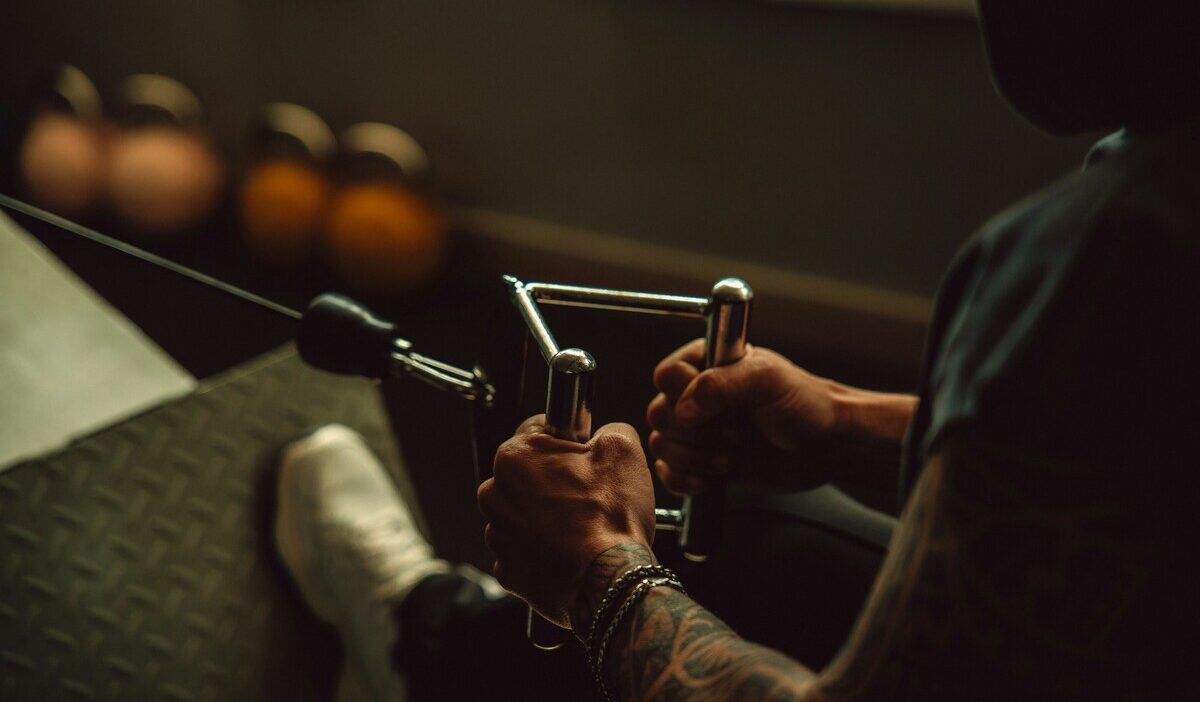
Opening a jar, carrying groceries, or pulling weeds all depend on hand strength you may not think about until it fades. Grip strength exercises build that strength back, and doctors often use grip as a simple marker of overall muscle health.
This guide gives you 10 best grip strength exercises, both with and without equipment, plus a weekly routine and safe options for seniors and beginners.
1. Why Grip Strength Matters
Grip strength plays an important role in many everyday activities, including carrying groceries, opening jars, holding tools, lifting objects, gardening, and getting dressed. When hand and forearm strength decline, these tasks can become more difficult and may require more effort.
Grip strength is also commonly used as a simple indicator of overall muscle function. Because it often reflects broader strength and physical capacity, healthcare professionals and researchers may use grip testing when evaluating muscle health, mobility, and age-related decline.
Maintaining good grip strength can therefore support both hand function and greater independence in daily life.
2. Best Grip Strength Exercises: 10 Top Picks
These 10 exercises train your hands, fingers, and forearms in different ways. Some need weights or a bar, while others use only a towel or your own fingers. Start with the ones that match the equipment you have at home.
Farmer’s Carry
This move builds strength by making your hands hold weight for a long time. It also works your core and shoulders at the same time.
- Hold a heavy dumbbell or kettlebell in each hand
- Keep your core tight and stand up straight
- Walk 30 to 40 yards, then set the weights down
Dead Hang
Hanging from a bar puts your full body weight into your grip. Start with a short hang and build up as your hands get stronger.
- Grab an overhead pull-up bar with both hands
- Straighten your arms and let your body hang
- Keep your core engaged and hold for 20 to 30 seconds
Plate Pinch
This exercise trains pinch strength, which you use to hold flat objects. It targets your thumb and fingers more than other moves.
- Grip a weight plate by its edge
- Put your fingers on one side and your thumb on the other
- Hold for 15 seconds, then switch hands
Wrist Curls
Wrist curls build the forearm muscles that support your grip. Use light weights, since heavy weights here can strain your wrists.
- Rest your forearms on your knees or a bench, palms facing up
- Hold a light dumbbell in each hand
- Curl your wrists upward slowly, then lower with control
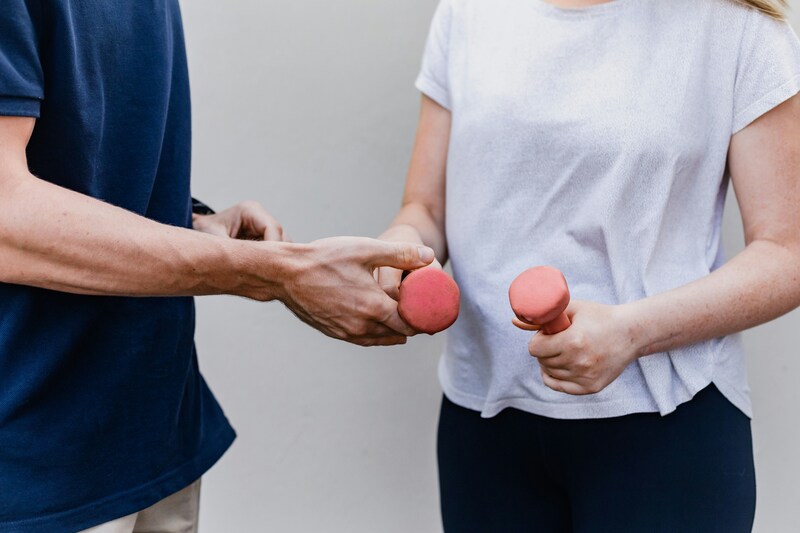
Hand Grippers
A spring-loaded gripper builds crushing power in your palm and fingers. These are cheap, small, and easy to use while sitting.
- Hold the gripper in one hand
- Squeeze the handles together as far as you can
- Hold for 2 seconds, then release slowly. Repeat 10 times per hand
Towel Wringing
This move needs no equipment at all, just a towel from your bathroom. It works the support muscles in your forearms.
- Hold a wet or dry towel with both hands
- Twist your hands in opposite directions, like wringing out water
- Twist for 20 seconds, then switch directions
Towel Pull-Up Hang
Adding a towel to a hang makes the bar thicker and harder to hold. Only try this once a regular dead hang feels easy.
- Drape a towel over a pull-up bar
- Grab one end of the towel in each hand
- Hang with straight arms for 10 to 20 seconds
Finger Extensions
Most best grip strength exercises train your closing muscles. This one trains the opposite muscles, which helps keep your hands balanced.
- Loop a rubber band around all five fingertips
- Open your hand slowly against the band
- Close slowly and repeat 15 times per hand
Stress Ball Squeeze
A stress ball is one of the gentlest ways to train grip. You can do this while watching TV or sitting in a chair.
- Hold a stress ball or a rolled-up sock in your palm
- Squeeze firmly and hold for 3 to 5 seconds
- Release slowly and repeat 15 times per hand
Fingertip Wall Press
This move uses your body weight instead of equipment. It puts light pressure on your fingers without stressing your wrists.
- Stand an arm’s length from a wall
- Press your fingertips against the wall, keeping your palms off it
- Hold for 15 to 20 seconds, then rest
>>> Read more: 10 Safe Leg Strengthening Exercises for Seniors to Improve Balance
3. How to Build a Simple Grip Strength Routine
A simple grip strength routine for seniors should focus on consistency, controlled movement, and gradual progress rather than heavy resistance. Start with exercises that feel comfortable and allow enough recovery between sessions.
- Choose 2 to 3 exercises: Combine different movements, such as a stress ball squeeze, finger extensions, and a light farmer’s carry.
- Train 2 to 3 times per week: Regular practice is usually more useful than doing long sessions every day.
- Allow time to recover: Leave at least one day between grip-focused workouts, especially when using resistance.
- Progress slowly: Gradually increase repetitions, resistance, or hold time as the exercises become easier.
Muscle fatigue can be normal, but stop an exercise if it causes sharp or persistent pain in the fingers, wrists, elbows, or shoulders.
4. How to Improve Grip Strength Safely
Even the best grip strength exercises can strain the small joints in your hands and wrists if you use too much resistance too soon. Building up gradually helps protect those joints while allowing your muscles to get stronger.
Keep these points in mind before every session.
- Start with a weight or resistance you can handle comfortably
- Increase weight or hold time little by little
- Keep your wrists in a comfortable, straight position
- Do not train your grip to full fatigue every day
- Give your muscles at least one day to recover between sessions
- Stop right away if you feel sharp pain, numbness, or anything unusual
Note: If you have hand, wrist, or elbow problems, talk with a doctor or physical therapist before starting. They can tell you which of these moves fit your situation.
5. Exercises To Improve Hand Grip Strength for Seniors and Beginners
You do not need heavy weights or a pull-up bar to start. These five best grip strength exercises use light resistance and short hold times, which makes them safer if you are new to grip training. Sit in a sturdy chair for any of them if standing feels tiring.
- Stress ball squeezes
- Towel squeezes
- Finger extensions
- Light resistance hand grippers
- Light farmer’s carries
Seniors can use a lighter weight and shorter hold times than the steps above suggest. A soup can works fine in place of a dumbbell when you are starting.
>>> Check more training exercises for golfers: 20 Best Golf Exercises for Seniors to Improve Swing and Stay Injury-Free
6. How Often Should You Do Grip Strength Exercises?
Two or three short grip sessions a week suit most people, not daily training. The CDC recommends muscle-strengthening activity at least two days a week for adults. Your grip muscles need rest days between sessions, just like any other muscle.
A2025 research review looked at resistance training in older adults. It found that two to five sessions per week improved handgrip strength. Three times a week produced the best results. That study focused on older adults with sarcopenia, a condition involving muscle loss, so your own needs may differ.
Avoid hard grip work right before any activity that needs steady hand control, like driving. As your hands get stronger, add a little more resistance, more reps, or longer hold times.
There is no single schedule that fits everyone, so adjust based on how your hands feel.
7. FAQs
What is the best exercise to increase grip strength?
The farmer’s carry is a popular choice because it trains your grip while you also walk and hold your core tight. Dead hangs are another strong option if you have access to a bar.
Is 60kg hand grip good?
A 60kg grip reading is above average for most adult men and well above average for most women. Normal ranges vary a lot by age and sex, so compare your number to others in your age group.
Is 100% grip strength good?
Grip strength is not measured as a percentage, so this likely refers to a specific device or test scale. Ask whoever gave you the reading what scale they used before comparing it to anything.
Can you actually train grip strength?
Yes, grip strength responds to training like any other muscle group. Most people notice a difference after several weeks of steady practice two or three times a week.
Final Thoughts
Pick two exercises from this list and do them three times a week before adding anything harder. If you have no weights at home, the towel wring, stress ball squeeze, and fingertip wall press give you a full routine with nothing to buy.
Best grip strength exercises reward steady practice far more than hard effort, so a few short sessions each week will do more for your hands than one long workout.