

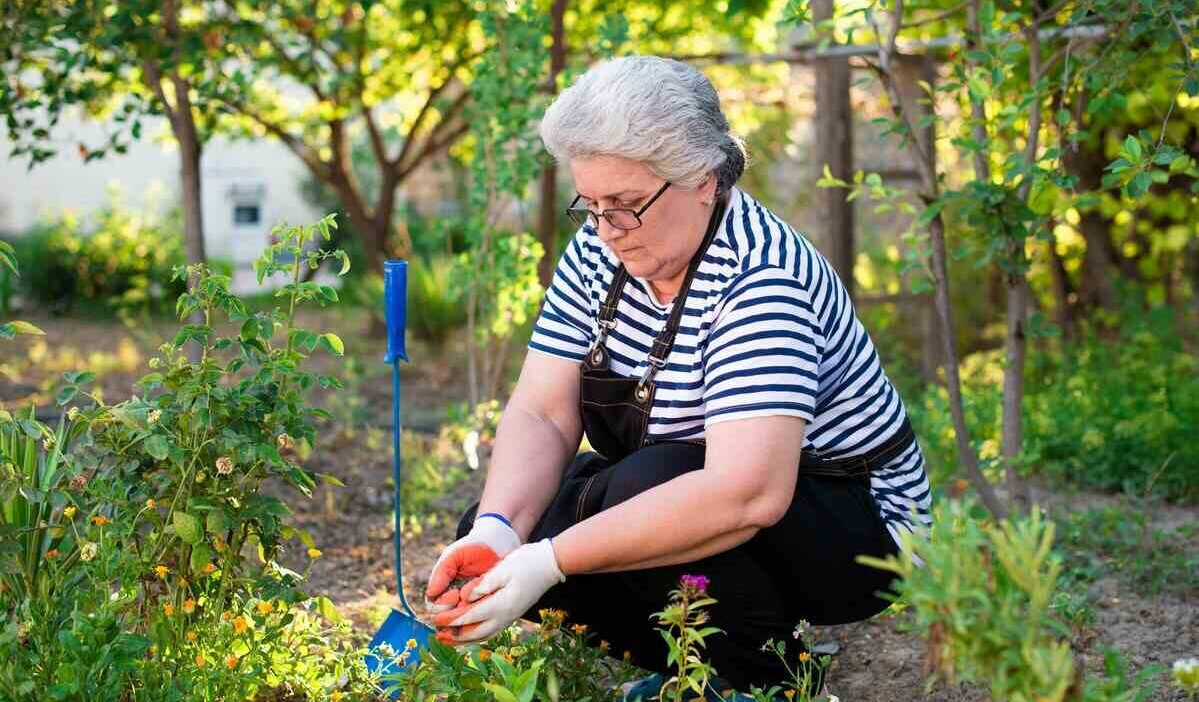
Gardening for seniors does not have to mean sore knees and an aching back at the end of the day. A few changes to how your garden is set up can take most of the bending and kneeling out of it. Raised beds bring the soil up to you. Moreover, the right tools cut down on grip strain.
This guide covers garden setups that reduce strain, tools worth buying, and plants that stay easy to grow.
1. Why Gardening Is a Good Activity for Seniors
Gardening can be an excellent activity for seniors because it combines gentle movement, fresh air, mental stimulation, and a sense of purpose. Tasks such as watering, planting, pruning, and harvesting encourage light physical activity without requiring intense exercise.
Gardening may also help create a regular daily routine and give older adults something enjoyable to care for and watch grow. Raised beds, containers, vertical gardens, and long-handled tools can make the activity easier for people who have trouble bending, kneeling, or standing for long periods.
With a comfortable setup, gardening can remain a practical and rewarding hobby at many activity levels.
2. Top 6 Ideas for Gardening for Seniors
The setup matters more than the plants when it comes to comfort. Small changes, like raising the soil or gardening while seated, remove most of the strain from the hobby.
The six ideas below can be used on their own or combined.
Try Raised Garden Beds
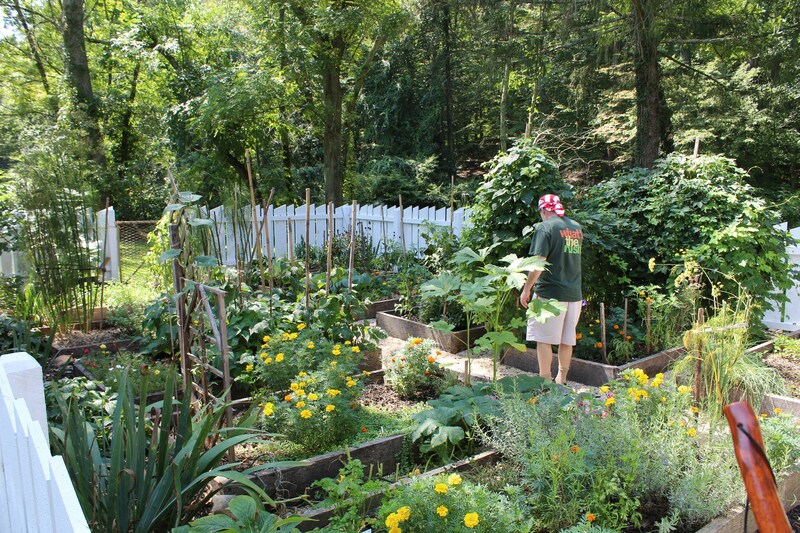
A raised bed lifts the soil to waist level, so you no longer bend to the ground. This single change removes most of the back strain from gardening.
- Cuts out the need to bend down
- Brings plants within easy reach
- Pick a height and layout that suits how you move
Use Container Gardening
Pots let you garden on a patio, balcony, or porch with no yard at all. They also keep each plant separate, which makes watering and weeding simpler.
- Grow plants in pots on a patio, balcony, or porch
- Smaller spaces become easier to manage
- Choose lightweight pots you can move without help
Try Vertical Gardening
Growing upward saves space and keeps plants closer to eye level. Trellises and wall planters both work for this.
- Use trellises, wall planters, or vertical frames
- Makes better use of a small space
- Cuts down on bending and kneeling
Choose a Low-Maintenance Garden
For gardening for seniors, a smaller garden that is easy to manage is often better than a large space that becomes tiring or time-consuming. Smart plant placement can also reduce watering and maintenance.
- Start with fewer plants than you think you want
- Group plants that need the same amount of water
- Spread mulch to slow down weeds
- Add a soaker hose or timer if watering is hard on your hands
Garden While Sitting
You do not have to stand to garden. A stool or bench lets you work at a comfortable pace without tiring out.
- Use a garden stool or a bench with side handles
- Keep the tools you use most within arm’s reach
- Try elevated planters or a tabletop garden
Consider Indoor or Balcony Gardening
Bad weather and limited mobility do not have to end the hobby. A sunny window is enough for several useful plants.
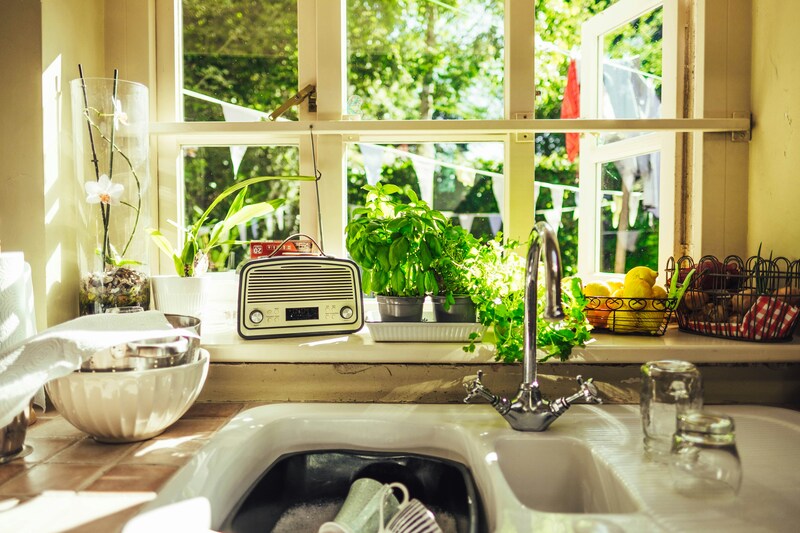
- Herbs in a sunny kitchen window
- Small container gardens
- Houseplants
- Balcony planters
>>> You might be interested in: What Are the Best Pets for Seniors? Dogs, Cats, and Low-Maintenance Options
3. Best Plants for Seniors
When it comes to gardening for seniors, the best plants are usually easy to grow, productive in small spaces, and manageable in containers or raised beds. Choose varieties that do not require frequent pruning, heavy lifting, or complicated care.
- Herbs: Basil, mint, chives, and rosemary work well in pots and provide small harvests without taking up much space.
- Leafy greens: Lettuce, spinach, and kale grow relatively quickly and can often be harvested more than once.
- Compact vegetables: Cherry tomatoes, bush tomatoes, peppers, and cucumbers are good choices for raised beds or large containers.
- Low-maintenance flowers: Marigolds, zinnias, and geraniums can add color without demanding complex care.
Start with two or three easy plants, then add more as your confidence and routine grow.
4. Gardening Tools for Seniors
The right gardening for seniors tool takes pressure off your hands, wrists, and back. Look at features rather than brand names, since a lightweight handle matters more than a label. The list below covers what to check for when shopping.
- Lightweight hand tools: Less weight means less wrist strain over a long session
- Ergonomic handles: Padded, angled grips are easier on arthritic hands
- Long-handled weeders: Let you weed while standing instead of kneeling
- Kneeling pads or garden benches: Many flip over to work as both a seat and a kneeler
- Garden carts: Move soil and pots without lifting or carrying
- Lightweight watering cans: A smaller can filled twice beats one heavy can
- Hose reels or easy-grip hoses: Reduce the pulling and coiling
- Garden gloves with good grip: Better grip means less squeezing to hold a tool
- Raised-bed tools: Shorter handles suit working at waist height
Grip strength affects how comfortable every one of these tools feels in your hand.
>>> Related: 10 Best Grip Strength Exercises to Build Stronger Hands and Forearms
5. Raised Gardens for Seniors: What to Know Before You Build
A raised bed is the single biggest upgrade for comfort, so it is worth getting the details right. Height, material, width, and placement all change how easy the bed is to use. Think through these four points before you buy or build.
- Height: 24 to 36 inches lets you garden standing or seated with no bending
- Material: Wood looks natural but rots over time, composite lasts longer, and galvanized metal needs the least upkeep
- Placement: Put the bed near a water source, with a smooth, wide path leading to it
- Width: Keep beds 3 to 4 feet wide so you can reach the middle from either side without stepping in
That width rule matters more than people expect. A bed even a foot too wide forces you to lean or climb in, which brings the strain right back.
6. FAQs
What is the best low maintenance garden for the elderly?
A few raised beds or containers planted with herbs and leafy greens take the least work. Adding mulch and a soaker hose cuts the weeding and watering even further.
What’s the number one vegetable for older adults?
Leafy greens like spinach and kale are popular picks because they grow fast and can be harvested again and again. Cherry tomatoes are another easy option for containers.
Is gardening good exercise for the elderly?
Gardening counts as light physical activity and gets you moving outdoors. It is not a replacement for a walking or strength routine, but it adds gentle movement to your day.
What should a 70 year old be doing every day at home?
Light activity, time outdoors, and a simple daily routine all help. Tending a few plants can cover parts of all three without much effort.
Final Thoughts
Start with one raised bed or a handful of containers rather than planning a whole garden at once. Gardening for seniors becomes far easier once the soil sits at waist height and the tools fit your hands comfortably. Grow something quick first, like lettuce or basil, and expand only after you see how much upkeep suits you.