


Picking the best dog breed for seniors takes more thought than choosing the cutest face. Size, energy level, and your living space all shape which dog will fit your life. A small, gentle dog well-suited to apartment living would be ideal for active retirees who enjoy long walks.
This guide covers 10 breeds, picks sorted by lifestyle, and the real costs and questions to think through before you bring a dog home.
1. What Makes a Dog Senior-Friendly?
A senior-friendly dog is usually easy to handle, adaptable, and matched to the owner’s activity level. Size matters, but temperament, exercise needs, grooming, and trainability are often just as important.
Look for dogs that are:
- Calm and predictable: Less likely to pull, jump, or create a fall hazard.
- Low to moderate energy: Easier to exercise with short walks and indoor play.
- Manageable in size: Small or medium dogs are often easier to lift, transport, and control.
- Easy to groom: Lower-maintenance coats reduce daily care.
- Responsive to training: Good leash manners and basic commands make everyday outings safer.
The American Kennel Club also notes that the best breed for an older adult depends largely on lifestyle, energy level, and the dog’s individual needs.
2. Best Dog Breed for Seniors
Each breed below was picked for three reasons: a friendly nature, exercise needs most seniors can meet, and a size that stays easy to handle.
Grooming needs and common health issues are listed too, since both affect your time and budget. Start with the breed that matches your space and daily routine.
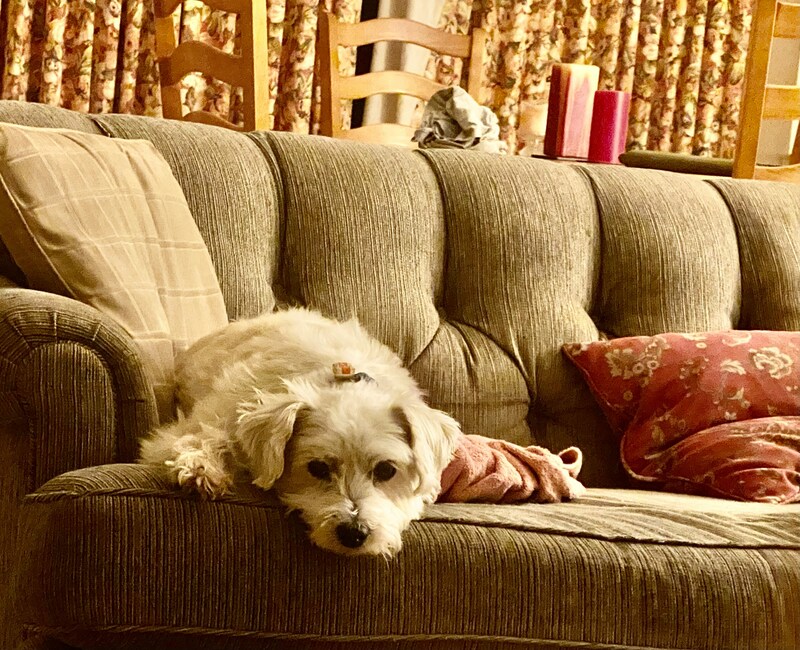
1. Shih Tzu
The Shih Tzu is often considered one of the best small dogs for seniors because it was bred as a companion and enjoys staying close to its owner. It adapts well to indoor living and usually does not require long or strenuous walks.
- Small and easy to adapt to new homes
- Often a good fit for apartment living
- Moderate activity needs
- Needs regular grooming, or a short “puppy cut” to keep it simple
2. Bichon Frise
The Bichon Frise is cheerful and loves being around people. Its coat sheds very little, which helps if you have allergies.
- Friendly and social
- Small size
- Playful without needing hard exercise
- Needs regular grooming and trims
3. Miniature Poodle
The Miniature Poodle is smart and picks up training fast. It also sheds very little, though it does need a groomer every few weeks.
- Bright and easy to train
- Active enough to enjoy daily walks
- Low-shedding coat
- Needs grooming and mental games to stay content
4. Maltese
The Maltese weighs under 7 pounds and bonds closely with one person. Its small size makes it easy to lift and carry.
- Tiny and made for companionship
- Fits well in smaller homes
- Fairly low exercise needs
- Coat needs brushing and regular trims
5. Cavalier King Charles Spaniel
This breed can be one of the best dog breed for seniors options because it is gentle, affectionate, and usually happy to relax beside its owner. Weighing about 13 to 18 pounds, it is generally manageable in size and enjoys short daily walks rather than intense exercise.
- Calm and very affectionate
- Easy to handle on a leash
- Only needs moderate walks
- Prone to heart problems, so ask about health testing
6. Pug
The Pug is playful and enjoys company more than exercise. It is a good size for most seniors at 14 to 18 pounds.
- Affectionate and enjoys being near people
- Moderate activity needs
- Easy size to manage
- Struggles in heat and can have breathing issues
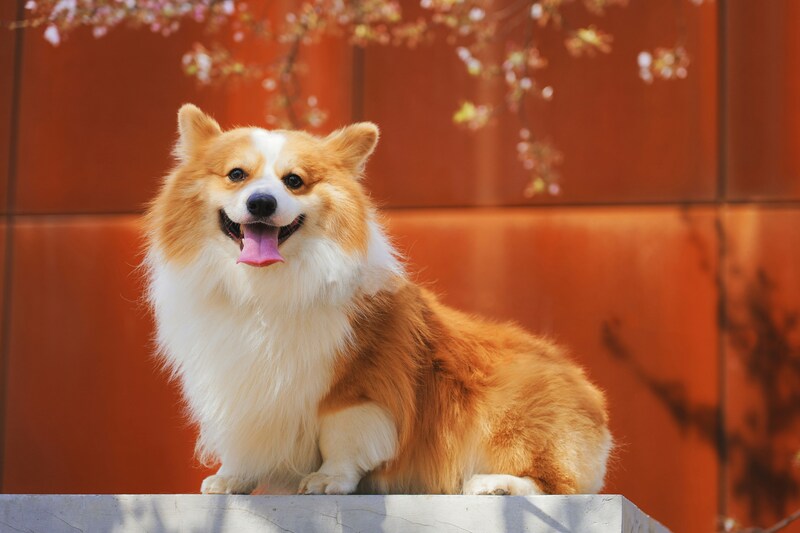
7. Corgi
The Corgi is friendly, smart, and full of personality. It suits a senior who stays active and can keep up with daily walks.
- Friendly and quick to learn
- A good pick for active seniors
- More energetic than most small companion breeds
- Needs more exercise and training than the breeds above
8. Greyhound
Not every good senior dog has to be small. The Greyhound is large but famously calm indoors, and many are called “45 mph couch potatoes.”
- Big, yet quiet and relaxed at home
- Enjoys walks without needing constant activity
- Its size can be hard to manage for some owners
- Rescue groups often place retired racing Greyhounds
9. Labrador Retriever
The Labrador is friendly, patient, and one of the easiest breeds to train. It fits a senior who walks daily and can handle a strong dog.
- Friendly and easy to train
- A strong pick for active seniors
- Larger and stronger than the breeds above
- Needs real daily exercise
10. Golden Retriever
The Golden Retriever is gentle, social, and eager to please. Like the Labrador, it does best in a home where someone walks it every day.
- Social and very trainable
- Good for active households
- Larger size and heavy shedding
- Higher exercise needs than small companion breeds
>>> Read more: Gardening for Seniors: Easy Setups, Tools, and Plants That Reduce Strain
3. Best Dog Breed for Seniors by Lifestyle
The word “best” changes depending on how you live. A dog that thrives in a house with a yard may struggle in a one-bedroom apartment. The lists below sort the same breeds by what matters most to you.
Best for Apartment Living
These best house dogs for seniors stay small, bark less than average, and do not need a yard. All four are content with short indoor play and a daily walk.
- Shih Tzu
- Maltese
- Bichon Frise
- Cavalier King Charles Spaniel
Best for Active Seniors
If you walk daily or enjoy being outdoors, a higher-energy dog can be a good match. These four breeds want real exercise and will keep you moving.
- Labrador Retriever
- Golden Retriever
- Corgi
- Miniature Poodle
Best for Lower Exercise Needs
Some days a long walk just is not going to happen. These three breeds stay happy with short strolls and plenty of rest time indoors.
- Shih Tzu
- Maltese
- Cavalier King Charles Spaniel
Best for First-Time Dog Owners
A first dog should be easy to train and simple to handle. The four breeds below tend to be forgiving of beginner mistakes.
- Cavalier King Charles Spaniel
- Bichon Frise
- Miniature Poodle
- Labrador Retriever
Keep in mind that every dog has its own personality. Two dogs of the same breed can act very differently, so meet the dog before you decide.
4. What to Consider Before Getting a Dog as a Senior
A dog is a commitment of 10 to 15 years, and the costs add up beyond the first adoption fee. Thinking through daily care and backup plans now saves stress later. Go through this list before you choose the best dog breed for seniors.
- Daily walks: Can you walk the dog every day, in any weather?
- Feeding and grooming: Some coats need a groomer every 4 to 6 weeks.
- Vet costs: Routine care runs a few hundred dollars a year, and more as the dog ages.
- Emergency savings or pet insurance: One surgery can cost thousands.
- Physical handling: Can you hold the leash if the dog pulls?
- Backup care: Who takes the dog if you get sick or travel?
- Housing rules: Many buildings limit dog size or breed.
- Help nearby: Do family or friends live close enough to step in?
5. Puppy or Adult Dog: Which Is Better for Seniors?
For many seniors, an adult dog is often easier to manage than a puppy because adult dogs usually need less supervision, have better bladder control, and may already know basic commands.
Puppies can be rewarding, but they require frequent bathroom breaks, training, socialization, and more daily activity. Their jumping, chewing, and unpredictable movements can also be difficult for someone with limited mobility or balance concerns.
An adult or senior dog may be a better fit if you want a calmer companion with a more predictable size, temperament, and energy level. However, the best choice depends on your activity level, home environment, and how much time you can devote to training and exercise.
>>>Related: What Are the Best Pets for Seniors? Dogs, Cats, and Low-Maintenance Options
6. FAQs
What is the easiest dog for seniors?
A Cavalier King Charles Spaniel or Shih Tzu is often the easiest choice. Both are small, calm, and happy with short daily walks.
Should a 75 year old get a dog?
Many 75 year olds do great with a dog, especially a calm adult one. The bigger question is who will care for the dog if your health changes.
What is the most low maintenance dog to have?
A Maltese or Shih Tzu needs little exercise, though both need regular grooming. If grooming is the concern, a short-coated small breed like a Pug is simpler.
What is the calmest dog to own?
The Greyhound and Cavalier King Charles Spaniel are both known for being calm indoors. Adult dogs of any breed are usually calmer than puppies.
Final Thoughts
The best dog breed for seniors depends on your home, your energy, and your daily routine, not on any single ranking. A Shih Tzu or Maltese fits a quiet apartment.
A Labrador or Corgi suits someone who walks every day. Visit a shelter or rescue and spend time with a few dogs before you choose, since personality tells you more than breed alone.