

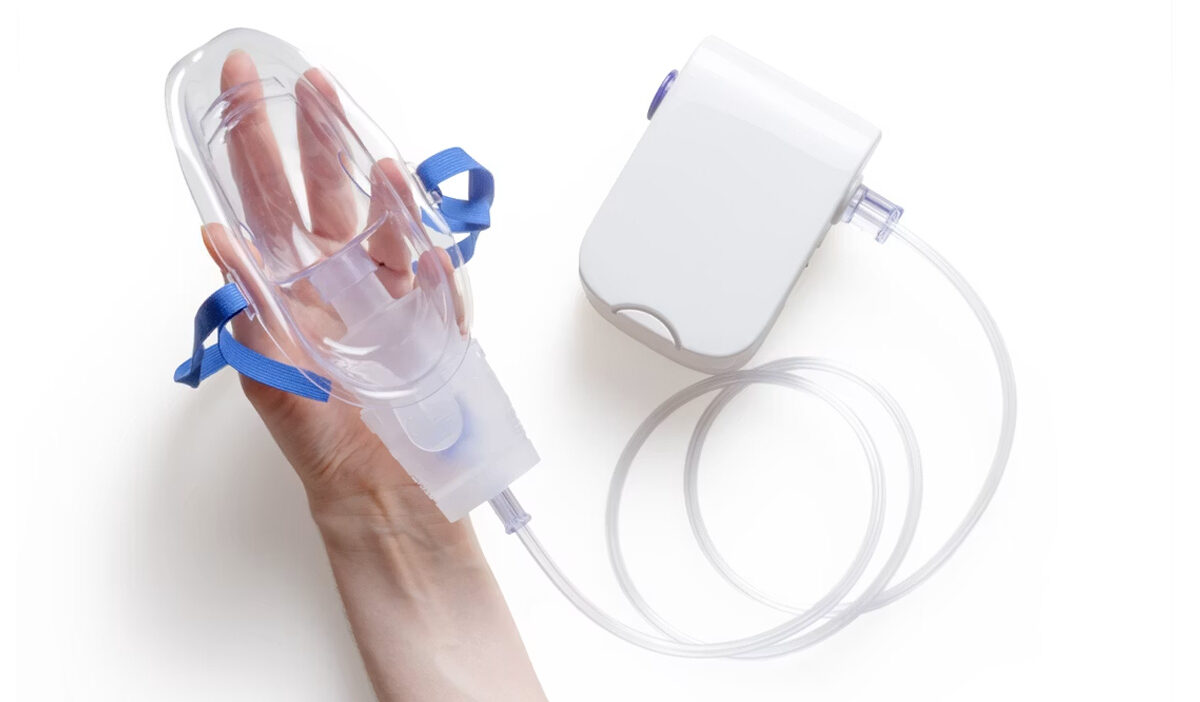
A portable oxygen concentrator can improve mobility and independence, but the cost can be a major concern. Many people wonder how to get a free portable oxygen concentrator or reduce their out-of-pocket expenses.
Fortunately, Medicare, Medicaid, private insurance, veteran benefits, and charitable assistance programs may help cover part or all of the cost for eligible individuals. This guide explains the available options, eligibility requirements, and steps to obtain affordable oxygen equipment in 2026.
1. Can You Really Get a Free Portable Oxygen Concentrator?
The answer is sometimes, but not in the way many people expect. Most patients do not receive a portable oxygen concentrator directly from the government or a healthcare provider at no cost.
Instead, Medicare, Medicaid, private insurance plans, veteran benefits, and charitable assistance programs may cover a significant portion of the expense for eligible individuals.
Depending on your coverage, this can reduce your out-of-pocket costs substantially and, in some cases, result in little or no monthly payment.
To qualify, you typically need a doctor’s prescription confirming that oxygen therapy is medically necessary. Additional medical criteria and coverage requirements may also apply.
Understanding how these programs work is the first step toward finding the most affordable way to obtain a portable oxygen concentrator.
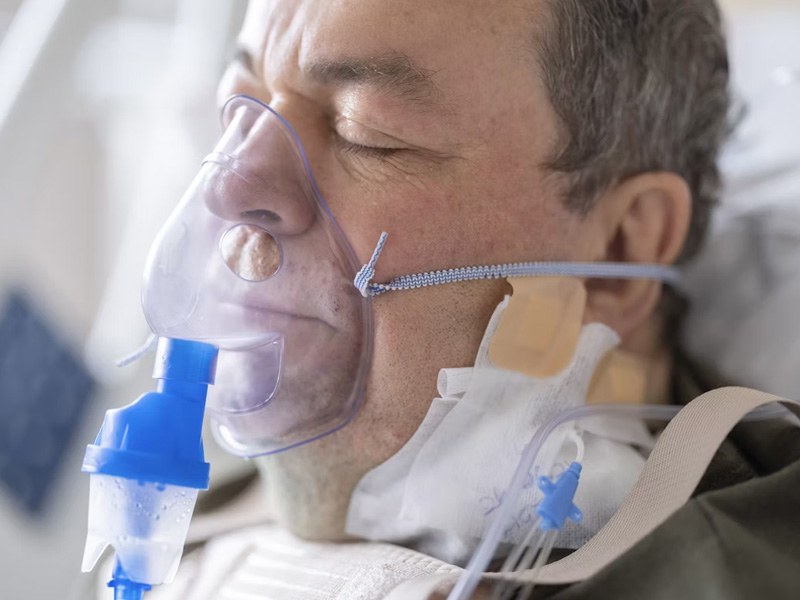
2. How To Get A Free Portable Oxygen Concentrator Through Medicare
Medicare may cover a significant portion of the cost of oxygen equipment through its Durable Medical Equipment (DME) benefit. Depending on your coverage and whether you have supplemental insurance, your out-of-pocket expenses may be reduced substantially.
It is also important to understand that Medicare typically covers oxygen equipment as a rental rather than a direct purchase. During the rental period, the supplier is generally responsible for maintenance and servicing of the equipment.
Step 1: Schedule an Evaluation With Your Doctor
The process begins with a medical evaluation. Your doctor will assess your respiratory condition, review your symptoms and medical history, and determine whether oxygen therapy is medically necessary.
Step 2: Complete Required Oxygen Testing
Medicare requires clinical evidence before approving oxygen equipment. You may need tests such as pulse oximetry or an arterial blood gas (ABG) test to document low blood oxygen levels and support the need for oxygen therapy.
Step 3: Obtain a Medicare-Compliant Prescription
If you meet the medical requirements, your doctor must provide the documentation and prescription required by Medicare.
This paperwork confirms that oxygen therapy is medically necessary and supports your coverage request.
Step 4: Choose a Medicare-Approved DME Supplier
Your oxygen equipment must be obtained through a Medicare-enrolled Durable Medical Equipment supplier.
Choosing the right supplier is an important step in learning how to get a free portable oxygen concentrator or reduce your out-of-pocket costs through Medicare coverage.
To minimize costs, verify that the supplier accepts Medicare assignment and follows Medicare-approved pricing guidelines.
Step 5: Confirm Whether a Portable Unit Is Included
Portable oxygen concentrators are not automatically included in every oxygen therapy arrangement. Ask the supplier whether portable equipment is covered based on your medical needs and Medicare eligibility.
Coverage for portable units may differ from coverage for stationary oxygen systems.
Step 6: Review Any Out-of-Pocket Costs
Before receiving equipment, review any costs you may still be responsible for.
Medicare Part B generally covers a large portion of approved expenses, but deductibles, coinsurance, and non-covered accessories may still result in out-of-pocket charges.
Supplemental coverage such as Medigap may help reduce these costs further.
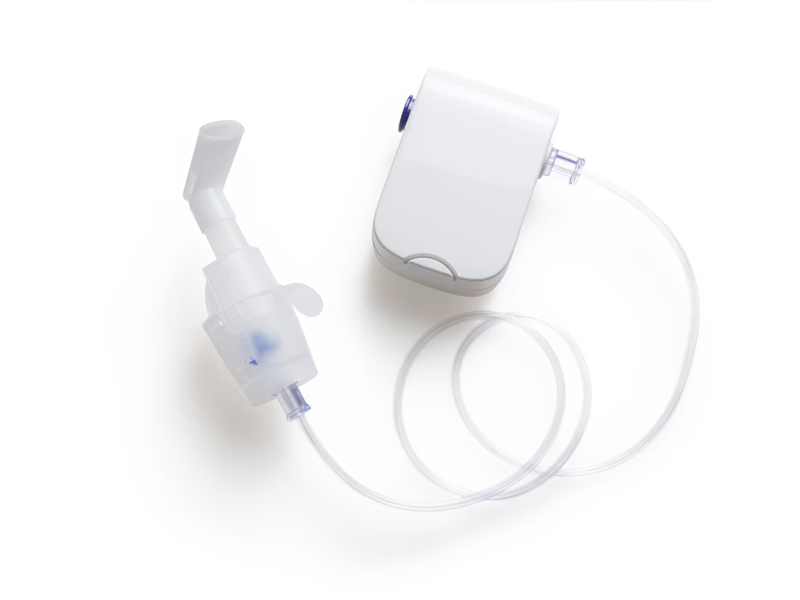
3. Other Ways to Get a Free or Low-Cost Portable Oxygen Concentrator
If Medicare is not an option, several other programs may help reduce the cost of a portable oxygen concentrator.
- Medicaid
Medicaid often covers oxygen equipment for eligible low-income individuals when a doctor confirms that oxygen therapy is medically necessary. Coverage rules vary by state.
- Private Insurance Coverage
Many private health insurance plans, including employer-sponsored policies and Affordable Care Act (ACA) marketplace plans, offer partial or full coverage for respiratory equipment. Coverage amounts, deductibles, and approval requirements differ by policy.
- VA Benefits for Veterans
Veterans enrolled in VA healthcare may qualify for oxygen equipment and related respiratory care when prescribed by a VA healthcare provider.
- Charities and Equipment Donation Programs
Some nonprofit organizations and medical equipment donation programs help patients obtain refurbished oxygen concentrators at little or no cost. Availability depends on location, inventory, and financial need.
>>> Read more: Can I Get Medicaid If I Quit My Job? 2026 Rules Explained
4. Common Reasons Coverage or Assistance Is Denied
Many people researching how to get a free portable oxygen concentrator focus on eligibility requirements but overlook common mistakes that can lead to a denial.
Being aware of these issues can help streamline the approval process.
- Lack of Medical Necessity
Coverage is often denied when medical records do not clearly show that oxygen therapy is necessary. Most programs require test results and physician documentation that meet their medical guidelines.
- Missing Documentation
Incomplete paperwork can delay or prevent approval. Missing prescriptions, outdated medical records, or incomplete test results are common issues that may lead to a denial.
- Supplier Restrictions
Not every equipment supplier works with every insurance plan. Coverage problems can occur if the supplier is out of network, does not participate in Medicare, or does not offer portable oxygen concentrators as part of its approved equipment options.
>>> Read more: Average Cost of Assisted Living for a Couple: What to Expect in 2026
5. FAQs
Can I get a free portable oxygen concentrator without insurance?
Yes, it is possible, but it is uncommon. Some charities, nonprofit organizations, and medical equipment donation programs provide refurbished portable oxygen concentrators at little or no cost to eligible individuals.
Will Medicare pay for portable oxygen concentrators?
Medicare may cover portable oxygen equipment when it is medically necessary and prescribed by a doctor. Coverage is typically provided through the Durable Medical Equipment (DME) benefit and may include out-of-pocket costs.
Does portable oxygen help with COPD?
Yes. Portable oxygen can help people with COPD who have low blood oxygen levels by improving oxygen delivery during daily activities and reducing shortness of breath.
Who is eligible for an oxygen supplement?
Eligibility depends on medical necessity. A doctor must determine that oxygen therapy is needed based on your symptoms, diagnosis, and test results showing low blood oxygen levels.
What is the best and cheapest portable oxygen concentrator?
The best portable oxygen concentrator depends on your oxygen needs, battery requirements, weight preferences, and budget. Popular options include models from CAIRE, Inogen, and Respironics.
Final Words
Understanding how to get a free portable oxygen concentrator starts with knowing your coverage options and meeting medical eligibility requirements.
Medicare remains the most common pathway, while Medicaid, private insurance, VA benefits, and charitable programs can also provide substantial financial assistance.
By securing proper documentation, completing required testing, and working with approved suppliers, you can increase your chances of obtaining affordable oxygen equipment and maintaining an active, independent lifestyle.