
Wearable technology for seniors is making it easier for older adults to stay safe, monitor their health, communicate with family, and maintain independence.
As technology for seniors becomes more accessible, families have more options for supporting aging loved ones without making them feel constantly monitored or dependent on others.
1. Benefits of Wearable Technology for Seniors
The biggest advantage of senior wearable technology is that important safety and health tools can remain within reach throughout the day. Rather than relying on one device at home, seniors can wear technology while walking, exercising, shopping, or completing everyday activities.
Key benefits include:
- Emergency assistance and fall detection
Some devices can detect a possible fall or provide an SOS button that connects the wearer with emergency contacts or monitoring services.
- Health monitoring
Smartwatches and health wearables may track heart rate, sleep patterns, activity levels, and blood oxygen estimates. However, consumer wearable readings should not replace professional medical evaluation.
The FDA notes that technologies such as pulse oximeters have limitations and should be considered alongside symptoms and medical guidance.
- Activity tracking
Wearables can record daily movement, count steps, and send gentle reminders to avoid long periods of inactivity. These simple features help older adults build healthier routines and stay consistently engaged in physical activity.
- Reminders
Connected devices can provide medication, appointment, or daily routine notifications.
- GPS location sharing
Devices with built-in GPS allow approved caregivers or family members to check a senior’s location when necessary, offering added reassurance during outings or unexpected situations.
- Hands-free communication
Voice assistants and calling features make communication easier when reaching a phone is inconvenient.
Research supported by the National Institute on Aging is also examining how wearable sensors can measure physical activity, sleep, and other changes associated with aging and cognitive health.
2. Best Types of Senior Wearable Technology
Not every device serves the same purpose. The best wearable technology for seniors depends on whether the priority is health monitoring, emergency assistance, location tracking, communication, or everyday activity support.
Smartwatches with Health Monitoring
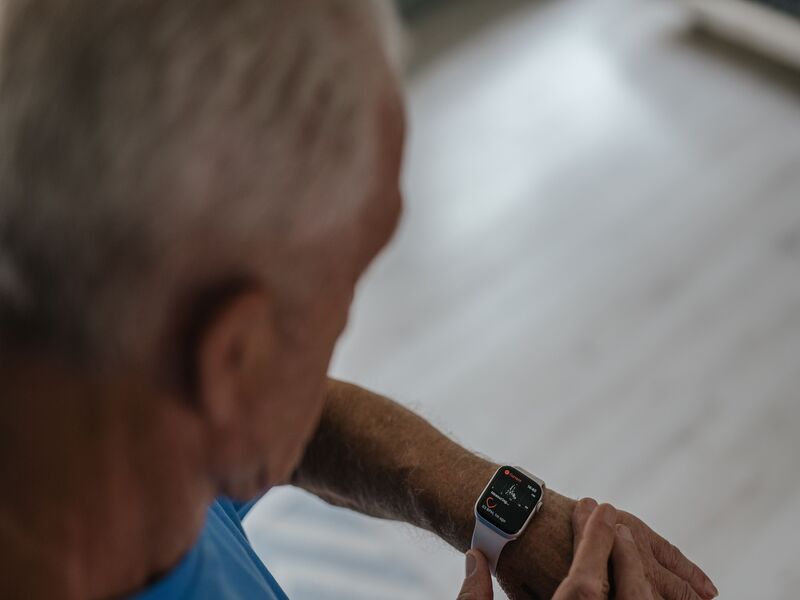
Senior-friendly smartwatches can combine several tools in one device, including heart-rate monitoring, sleep tracking, step counting, calling, reminders, and emergency features.
For seniors already comfortable with smartphones, a smartwatch may be one of the most versatile options. The U.S. Food and Drug Administration (FDA) also maintains information about authorized sensor-based digital health technologies, including wearable watches, rings, patches, and bands designed to monitor different health parameters.
Medical Alert Wearables with SOS Buttons
Medical alert watches, pendants, and wristbands are designed primarily around emergency communication. With one press, the wearer may be able to contact a family member, emergency contact, or professional monitoring center.
These devices are especially useful for seniors who live alone or spend significant amounts of time without another person nearby.
GPS Tracking Devices for Seniors with Dementia
GPS-enabled watches and compact tracking devices can share location information with approved caregivers. This feature can offer extra peace of mind for caregivers of seniors who may occasionally lose their sense of direction or have difficulty remembering familiar places.
When choosing GPS technology, families should also consider coverage area, location accuracy, battery life, privacy controls, and whether cellular service is required.
Fall Detection Wearables
Fall detection is available in some smartwatches, medical alert systems, and dedicated sensors. Certain devices attempt to recognize movement patterns associated with a fall and can trigger an alert when the wearer does not respond.
No technology can identify every fall, so automatic detection works best when combined with an accessible manual SOS feature.
Fitness and Activity Trackers
Simple fitness bands are useful for seniors who mainly want to monitor stpes, movement, sleep, or basic exercise goals. They are typically lighter and less complicated than full-featured smartwatches.
Other useful senior living technology includes medication-reminder wearables, which can provide scheduled vibrations or notifications throughout the day.
Smart Hearing Devices and Assistive Wearables
Modern assistive wearables may support hearing, voice amplification, communication, or environmental awareness. These devices can be particularly helpful when conventional phone notifications or alarms are difficult to hear.
3. How to Choose the Right Wearable Technology for Seniors?
Choosing senior wearable technology should start with the person’s daily needs rather than the longest feature list. A complicated device will offer little value if the wearer finds it frustrating and stops using it.
Consider six practical factors:
- Ease of use: Look for large controls, readable text, simple menus, and minimal setup.
- Battery life: Determine whether the device requires daily charging or can operate for several days.
- Emergency features: Check for SOS calling, fall detection, emergency contacts, and monitoring options.
- Smartphone compatibility: Some wearables work independently, while others require a paired phone.
- Monthly subscription costs: GPS, cellular connectivity, and professional monitoring may involve recurring fees.
- Comfort and wearability: A device should be lightweight and comfortable enough for regular use.
Whenever health-monitoring features influence the purchase, families should also check whether the device is intended only for general wellness or has been evaluated for a specific medical purpose.
>>> Read More: Free Phones for Hard of Hearing Seniors: How to Qualify 2026
4. Common Mistakes When Buying Wearable Technology
Even highly rated devices can become ineffective when they do not match the user’s habits. When evaluating wearable technology for seniors, avoid choosing based solely on specifications or the number of available features.
Common mistakes include:
- Choosing too many advanced features: Extra apps and menus can make basic functions harder to access.
- Ignoring battery life: An emergency wearable provides little protection when it is sitting on a charger.
- Forgetting cellular connectivity: GPS tracking and emergency calling may not work away from Wi-Fi unless the device has cellular service.
- Buying devices without emergency support: A general fitness tracker may monitor activity but offer no direct way to request assistance.
- Not considering the senior’s lifestyle: Someone who walks outdoors frequently may need GPS and cellular connectivity, while another person may benefit more from reminders and health tracking.
5. FAQs
What is the most wearable technology for seniors?
The best senior wearable technology depends on their needs. Smartwatches are useful for health tracking, reminders, calls, and emergency features. Medical alert watches or pendants may be better for seniors focused on safety, while GPS wearables can help with location sharing.
Do wearable devices work without a smartphone?
Yes, some wearable devices work without a smartphone. Cellular smartwatches and standalone medical alert devices can often make calls, send emergency alerts, or share GPS locations independently. Other wearables may require a paired phone for setup, notifications, or data syncing.
Which wearable has fall detection?
Fall detection is available on some smartwatches, medical alert watches, pendants, and senior safety devices. Depending on the model, the device may contact emergency services, notify family members, or connect to a monitoring center when a possible fall is detected.
Conclusion
The right wearable technology for seniors can provide more than convenience. It can support safer routines, easier communication, health awareness, and greater independence while giving families useful tools to stay connected.
Instead of choosing the most advanced device, focus on usability, comfort, battery life, connectivity, and the safety functions that genuinely fit the senior’s lifestyle.