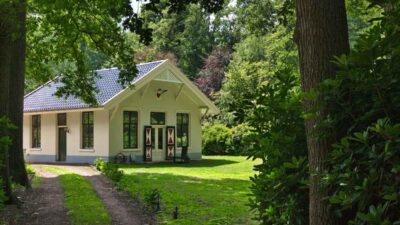

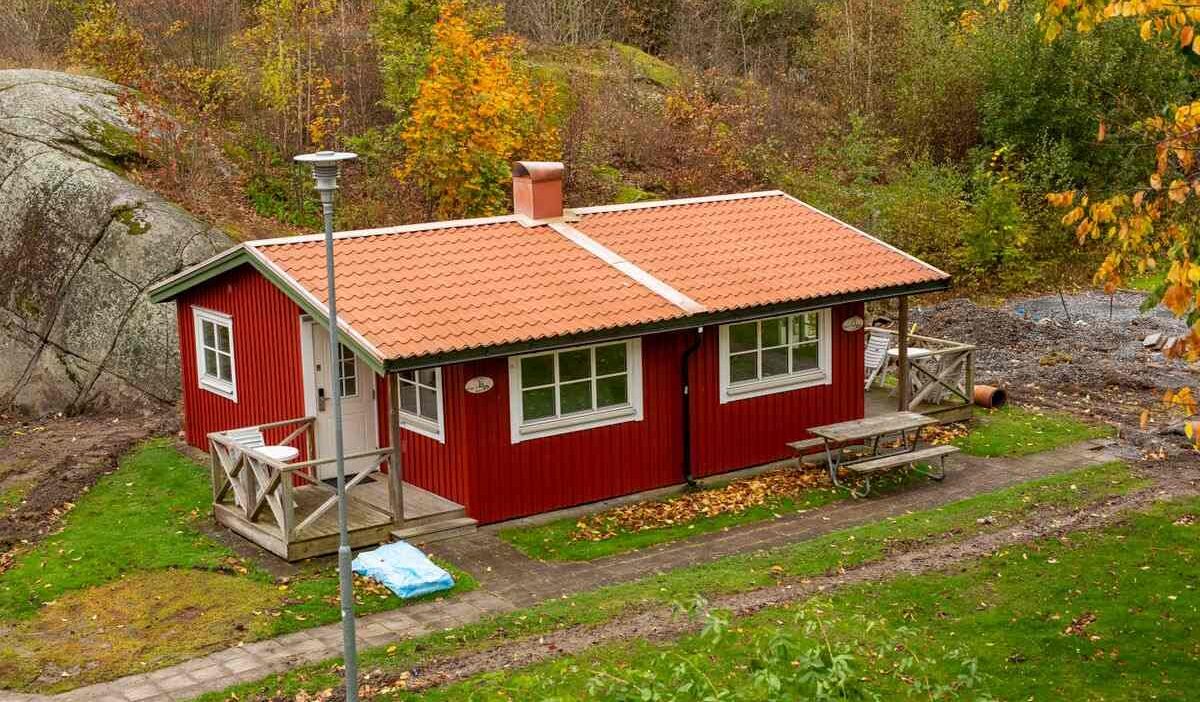
For families looking for an alternative to traditional senior care, a granny pod can provide a flexible way to keep loved ones nearby while maintaining their independence. A granny pod is a small, independent home unit, often built in a backyard, that includes essential living spaces and can be customized with accessibility features for older adults.
However, planning ahead requires a clear understanding of granny pods cost and the expenses involved. This guide breaks down average prices, key factors that influence costs, additional fees to consider, and ways to create a comfortable living space without exceeding your budget.
1. How Much Does a Granny Pod Cost?
Granny pod cost depends on the size, construction method, location, and features included. A newly built standalone granny pod, or detached Accessory Dwelling Unit (ADU), generally ranges from approximately $40,000 to $125,000 for prefabricated or basic modular designs.
However, the total expense can increase to $100,000 to $250,000 or more for custom-built units with advanced accessibility features, smart home technology, medical upgrades, and additional site work.
| Type | Estimated Cost* |
| Prefabricated granny pod | $40,000–$100,000+ |
| Custom-built granny pod | $100,000–$250,000+ |
| Luxury or fully accessible model | $200,000+ |
*Prices vary depending on location, size, materials, labor costs, accessibility features, permits, utility connections, and site preparation.
>>> Read more: 15 Best Granny Pod Floor Plans for Comfortable Senior Living
2. What Factors Affect the Cost of a Granny Pod?
The final granny pods cost depends on more than just the unit itself. Factors such as design choices, construction methods, accessibility needs, and local requirements can significantly change the overall budget.
Understanding these cost factors helps homeowners plan more accurately and avoid unexpected expenses during the building process.
Size and floor plan
The size and layout of a granny pod directly affect construction costs. A smaller unit with a basic bedroom, bathroom, and living area will generally cost less, while larger designs with extra rooms, expanded kitchens, or customized layouts require more materials and labor.
Prefabricated vs. Custom construction
Prefabricated or modular granny pods are often more affordable because they are built using standardized designs and manufactured off-site.
Custom-built units usually cost more due to personalized designs, higher material choices, and additional construction time, but they offer more flexibility for specific needs.
Accessibility features
Many granny pods are designed for older adults, which means accessibility upgrades can influence the total granny pods cost. Features that may increase expenses include:
- Step-free entry: Zero-entry thresholds create easier access for people with mobility challenges.
- Wider doors: Allows easier movement for wheelchairs or walkers.
- Roll-in showers: Provides safer bathroom access without raised steps.
- Grab bars and safety features: Adds support in bathrooms and other areas.
Site preparation and utility connections
Preparing the installation site can add to the budget. Costs may include foundation work, land leveling, electrical wiring, plumbing connections, water and sewer hookups, and internet installation.
Permits and local regulation
Building permits, zoning rules, inspections, and local ADU regulations vary by location and can affect both cost and timeline. Checking requirements early helps prevent delays and unexpected fees.
>>> Read more: 35 Fun Party Games for Seniors Everyone Will Enjoy
3. Additional Costs to Budget For
Beyond the purchase or construction price, a granny pod may involve several extra expenses that affect the total budget.
Planning for these costs in advance helps homeowners avoid surprises and ensures the unit is fully functional, comfortable, and ready for long-term use.
| Expense | Typical Cost Considerations |
| Foundation and site work | Costs vary based on land conditions and may include grading, excavation, concrete foundation, drainage, and site preparation. |
| Utility hookups | Includes connecting water, sewer, electricity, gas, and internet services |
| Landscaping | May include walkways, fencing, ramps, lighting, driveway adjustments, and yard modifications |
| Furnishings and appliances | Depends on the chosen finishes, furniture, kitchen appliances, bathroom fixtures, and accessibility equipment needed for the space. |
| Annual maintenance and repairs | Covers routine upkeep, system inspections, repairs, and replacement of appliances or building components over time. |
4. Are Granny Pods Cheaper Than Assisted Living?
Granny pods cost can be more affordable than assisted living in the long run, but the answer depends on the upfront cost, length of use, and level of care needed.
A granny pod requires a large initial investment, often ranging from tens of thousands to over $100,000, but it does not come with monthly residential fees like assisted living.
Assisted living typically involves ongoing monthly payments that cover housing, meals, personal care, activities, and support services. A granny pod may be a more affordable option for seniors who need a private living space but can manage with limited daily assistance.
However, if a person requires 24/7 medical supervision or specialized care, assisted living or memory care may provide more appropriate support. Families should compare both costs and care needs before deciding.
5. Ways to Reduce Granny Pods Cost
Building a granny pod can be a significant investment, but careful planning and cost-saving choices can help lower the overall expense. Consider these strategies to create a comfortable living space while keeping your budget under control:
- Choose a prefabricated model: Modular or prefabricated granny pods are often more affordable than fully custom-built units.
- Keep the design simple: A smaller floor plan with fewer custom features can reduce construction and material costs.
- Use existing utilities: Placing the unit closer to existing water, sewer, and electrical connections may lower installation expenses.
- Compare multiple builders: Request quotes from different manufacturers and contractors to find competitive pricing.
- Prioritize essential features: Focus on safety and accessibility upgrades that are most important instead of adding unnecessary extras.
- Research local incentives: Some areas offer programs, permits, or financing options that may help reduce ADU-related costs.
FAQs
What are the downsides of granny pods?
Granny pods require a significant upfront investment, and costs can increase with site preparation, permits, utility connections, and custom features. They may also face zoning restrictions, limited space, and future resale challenges depending on local regulations and housing demand.
What is the cheapest way to build a granny annexe?
The most affordable way to build a granny annexe is usually choosing a prefabricated or modular unit with a simple floor plan and minimal custom upgrades. Using existing utility connections and selecting only essential accessibility features can also help reduce costs.
How big is a granny pod?
Granny pods can vary in size, but many models range from about 400 to 1,200 square feet. The ideal size depends on the resident’s needs, available backyard space, budget, and local ADU regulations.
How much do granny pods cost in Florida?
Granny pod costs in Florida vary based on size, materials, builder, and local requirements, but many units range from around $75,000 to over $250,000. Costs may be higher in areas with stricter building codes, expensive labor, or additional site preparation needs.
Final Thought
When planning a granny pod, the total backyard granny pods cost depends on more than the unit price alone. Expenses such as site preparation, utility connections, permits, and personalized features can significantly affect the final budget.
Before making a decision, consider your loved one’s care needs, available space, and long-term plans. A well-designed granny pod can offer independence, comfort, and a cost-effective alternative to other senior living options when it matches the resident’s needs.