


A SSI and car accident settlement can bring financial relief after a serious injury, but it can also create unexpected challenges if you receive Supplemental Security Income (SSI).
Because SSI is a needs-based program, even a one-time payment, such as a car accident settlement, may affect your eligibility or monthly benefits.
Understanding how an SSI and car accident settlement is treated by the Social Security Administration (SSA) is essential before accepting or spending any funds.
Many recipients are surprised to learn that timing, amount, and how the money is used can all impact their benefits.
1. SSI and Car Accident Settlement
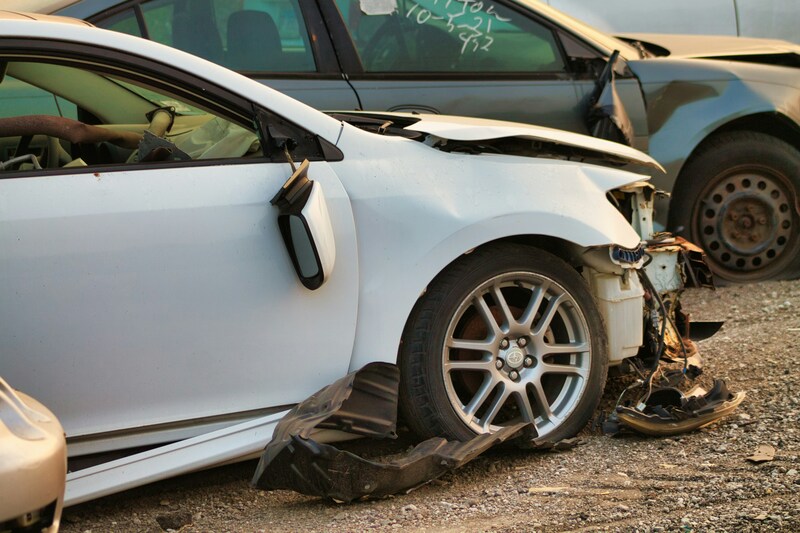
A SSI and car accident settlement refers to money you receive after resolving a personal injury claim related to a car accident. This may include compensation for medical bills, lost wages, or pain and suffering.
However, SSI is designed for individuals with limited income and resources. Because of this, the SSA carefully reviews any financial changes, including a ssi and car accident settlement, to determine whether you still qualify for benefits.
Even though the settlement is not a monthly income, it may still count as a financial resource depending on how it is received and used.
>>> Read more: How Much Money Can You Make and Still Get SSI in 2026?
2. Why SSI Rules Treat Car Accident Settlements Seriously
A SSI and car accident settlement is not automatically harmless in the eyes of the SSA. The agency evaluates all financial inflows to ensure applicants still meet strict eligibility requirements.
SSI is based on financial need
SSI exists to support individuals with limited income and very few resources. This is why the program has strict financial limits on how much you can own or receive.
When a SSI and car accident settlement increase your available assets, it can affect whether you continue to qualify. Even if the settlement is meant to cover medical bills or accident-related losses, SSA still evaluates it based on financial impact rather than intent.
How the SSA counts income and resources
The SSA distinguishes between income (money received) and resources (money or assets you own). A SSI and car accident settlement may be classified as either depending on timing and usage.
For example:
- Settlement funds that remain unspent into the following month may count as a resource for SSI purposes.
- Large deposits may trigger eligibility reviews
Because SSI eligibility is reviewed month by month, the timing of when SSI and car accident settlement funds are received and retained can affect benefit eligibility.
Why lump-sum payments can create problems
A SSI and car accident settlement is often paid as a lump sum, which means a large amount of money arrives all at once. This can quickly push your total resources above the SSI asset limit, even if the money is temporary or intended for specific expenses.
When this happens, it may lead to:
- Suspension or loss of SSI eligibility if countable resources remain above program limits.
- Overpayment notices if SSA determines you were ineligible during that period
- Requests to repay benefits received while over the resource threshold
Because SSI rules are strict and based on monthly financial status, even short-term increases from a SSI and car accident settlement can have consequences if not managed properly.
3. Does a Car Accident Settlement Count as Income for SSI?
A SSI and car accident settlement are generally treated differently from earned income, such as wages. However, the Social Security Administration (SSA) still reviews it very carefully because SSI is a needs-based program, and any financial increase can affect your eligibility.
In many situations, settlement funds may be treated as unearned income in the month received and then counted as a resource if retained into later months.
This means the settlement itself may not reduce your SSI immediately as income, but it can still impact your benefits if the total amount pushes your resources above the SSI limit in the following month.
For example, if you receive a SSI and car accident settlement and keep the money in your bank account, SSA may count the remaining balance as part of your financial resources when they review your eligibility.
This is why timing, spending, or legally approved planning strategies, such as certain trusts or permitted spend-down arrangements, may affect how settlement funds are treated under SSI rules.
Because SSI rules are strict, even a one-time payment must be reported and evaluated to determine whether it changes your financial status under program guidelines.
>>> Read more: Can SSI Find Out About a Settlement? What You Need to Know
4. FAQs About SSI and Car Accident Settlement
Will a car accident settlement stop my SSI benefits?
An SSI and a car accident settlement can temporarily or permanently affect SSI if your total resources exceed the program’s limit. However, it depends on the amount and how it is managed.
How much money can I keep on SSI after a settlement?
SSI has strict limits on the amount of money and assets you can have while remaining eligible for benefits.
If an SSI and a car accident settlement cause your total countable resources to go above the allowed limit, your SSI payments may be reduced, paused, or temporarily suspended until your financial resources fall back within program guidelines.
SSA also reviews how much of the settlement remains in your accounts or other countable resources after the month of receipt.
Do I have to report a settlement to Social Security?
Yes. Any SSI and car accident settlement must be reported to the SSA immediately. Failure to report can result in penalties or overpayment recovery actions.
Final Thoughts
A SSI and car accident settlement can provide financial relief, but it must be managed carefully to avoid unintended consequences for your benefits. Because SSI is a needs-based program, even temporary increases in resources can affect eligibility.
Understanding how a SSI and car accident settlement is classified, reported, and used is the key to protecting your long-term financial stability. With the right planning, legal awareness, and timely reporting, you can reduce risks and make informed decisions.