
Medicare Part B covers a wide range of outpatient care, but it doesn’t pay for everything. And even covered services usually come with some out-of-pocket costs.
This guide explains what’s included and what’s excluded, what you’ll pay in 2026, and how to check coverage before your next appointment.
1. What Medicare Part B Covers?
Part B is the medical insurance portion of Original Medicare. It helps pay for two kinds of care.
- The first is medically necessary services, which diagnose or treat a health condition.
- The second is preventive services, which help prevent illness or catch it early.
In short, Part B covers many outpatient medical services, including doctor visits, diagnostic tests, and preventive care. It also covers certain physician services you receive during an inpatient hospital stay.
That’s the main difference from Medicare Part A, which mainly pays for inpatient hospital care, skilled nursing facility care, and hospice. Part B handles the doctor’s office, outpatient clinic, and lab.
However, Part B coverage isn’t always free. Most beneficiaries pay a monthly premium, and many covered services are subject to an annual deductible and coinsurance. Certain preventive services are covered at no additional cost.
2. 7 Key Services Part B Medicare Covers
So, Medicare Part B covers what in everyday terms? Most people use it for these seven types of care.
Doctor Visits and Specialist Appointments
Part B helps pay for visits to your primary care doctor and to specialists, such as a cardiologist or dermatologist, when the care is medically necessary. This includes diagnosis, treatment, and follow-up visits.
Outpatient Hospital Services and Procedures
Care you receive at a hospital without being formally admitted generally falls under Part B. Examples include outpatient surgery, X-rays, lab tests, and outpatient physical therapy.
Hospital outpatient services may have separate facility copayments in addition to physician cost sharing. These payments can differ from what a patient would pay in a physician’s office.
Preventive Screenings and Vaccines
Screenings such as diabetes and cancer screenings, plus vaccines like the flu shot, are included. You pay nothing for most preventive services if your provider accepts assignment.
Most eligible preventive services cost nothing when your provider accepts Medicare assignment. However, additional diagnostic tests or treatments performed during the same visit may involve out-of-pocket costs.
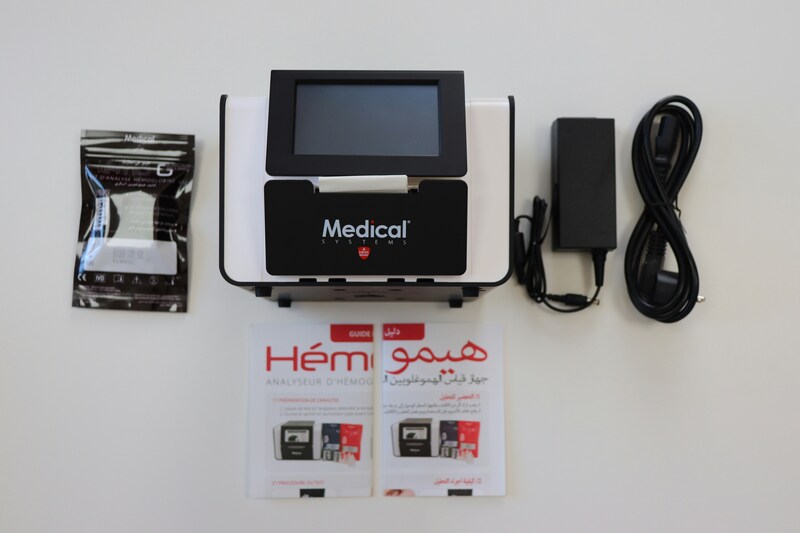
Durable Medical Equipment (DME)
Medicare Part B covers medically necessary durable medical equipment (DME) prescribed for use at home, provided the equipment meets Medicare’s coverage requirements.
Common examples are wheelchairs, walkers, hospital beds, and blood sugar monitors.
Mental Health Services
Part B helps pay for outpatient mental health care, including counseling, therapy, and psychiatric visits.
If you’re admitted to a hospital for mental health treatment, Part A generally covers inpatient hospital services, while Part B covers services provided by doctors and other eligible healthcare professionals during your stay.
Ambulance Services and Emergency Outpatient Care
Part B covers medically necessary ambulance transportation when other transportation could endanger your health, generally to the nearest appropriate medical facility.
It also covers emergency room services provided on an outpatient basis, even if you receive care at a hospital without being formally admitted.
Certain Home Health Services and Prescription Drugs
Medicare Part B covers certain home health services, including intermittent skilled nursing and qualifying therapy, for eligible homebound patients. Covered services must meet Medicare’s requirements and generally be provided by a Medicare-certified home health agency.
Part B also covers a limited range of prescription drugs, including certain injections, infusions, and medications used with covered medical equipment. Some oral cancer drugs and immunosuppressive medications may qualify under specific conditions.
For example, insulin used with a pump covered under Part B’s durable medical equipment benefit costs no more than $35 for a one-month supply, with no Part B deductible applied to that insulin.
Most prescriptions you fill at a pharmacy and take at home are generally covered under Medicare Part D instead.
3. What Does Medicare Part B Not Cover?
Knowing the gaps matters just as much. Many people searching what does Medicare Part B covers are surprised to learn these items usually aren’t included:
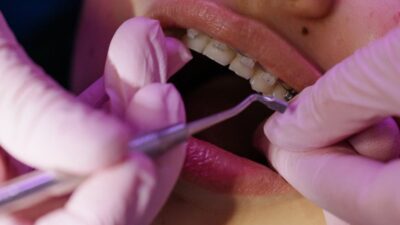
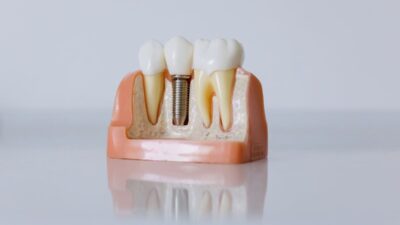
- Most routine dental care and dentures
- Hearing aids and fitting exams
- Routine eye exams for prescription glasses
- Long-term custodial care
- Most prescription drugs taken at home
- Cosmetic procedures without medical necessity
Some exceptions exist. Medicare may pay for certain dental services closely tied to a covered medical treatment. Exams to diagnose a medical eye or hearing problem may also qualify. In addition, some Medicare Advantage plans offer extra benefits, such as dental, vision, and hearing coverage.
>>> Read more: How Much Does Medicare Pay for Portable Oxygen Concentrators? 2026 Real Truth
4. How Much Does Medicare Part B Cost in 2026?
Even when Medicare Part B covers a service, you’ll share the cost. Here’s what to expect in 2026:
- Standard monthly premium: $202.90, up from $185 in 2025
- Annual deductible: $283, up from $257 in 2025
- Coinsurance: After you meet the deductible, you typically pay 20% of the Medicare-approved amount for most services
Higher earners pay more through an income-related monthly adjustment amount (IRMAA). Their total monthly premiums range from $284.10 to $689.90, depending on income. Most preventive services remain free when your provider accepts assignment.
Original Medicare has no yearly out-of-pocket limit. That’s why many people add a Medigap policy or choose a Medicare Advantage plan to help manage the 20% coinsurance.
5. How to Check Whether Medicare Part B Covers a Service
Medicare Part B coverage depends on medical necessity, the service you need, and applicable Medicare rules. Follow these steps to check your coverage before receiving care.
- Step 1: Search Medicare.gov for Your Service
Visit Medicare.gov/coverage and search for a test, item, or treatment, such as an MRI or walker. Review the coverage requirements and possible out-of-pocket costs.
- Step 2: Ask Your Healthcare Provider
Confirm whether the service is medically necessary and meets Medicare’s requirements. Some services are subject to national or local coverage decisions.
- Step 3: Confirm Costs Before Receiving Care
Ask whether your provider accepts Medicare assignment and whether additional charges may apply. If you have Medicare Advantage, check your plan’s network and prior authorization requirements.
>>> Read more: Are Medicare Premiums Tax Deductible in 2026? A Complete Guide to Part B, Medigap, and Extra Savings
6. FAQs
Does Medicare Part B cover 100%?
Medicare Part B does not cover 100% of most medical costs. After meeting the annual deductible, you generally pay 20% of the Medicare-approved amount for covered services. However, most eligible preventive services and certain other benefits have no out-of-pocket costs.
Do I need both Medicare Part A and B?
You generally don’t have to enroll in both Medicare Part A and Part B at the same time. However, both provide important coverage. So, what does medicare part A and B covers? Part A primarily covers inpatient care, while Part B covers medical services. Delaying Part B without qualifying circumstances may result in penalties.
What supplies does Medicare Part B cover?
Medicare Part B covers medically necessary equipment and related supplies, including wheelchairs, walkers, blood glucose monitors, test strips, and oxygen equipment. These items must meet Medicare’s coverage requirements and generally be prescribed for use at home by an eligible healthcare provider.
7. Final Thoughts
Medicare Part B covers a wide range of medical services, from doctor visits and preventive screenings to medical equipment and certain prescription drugs. However, routine dental, vision, and hearing care are generally excluded under Original Medicare.
In 2026, the standard monthly premium is $202.90, with a $283 annual deductible and typically 20% coinsurance for many covered services. Always check your coverage and potential costs before receiving care.