

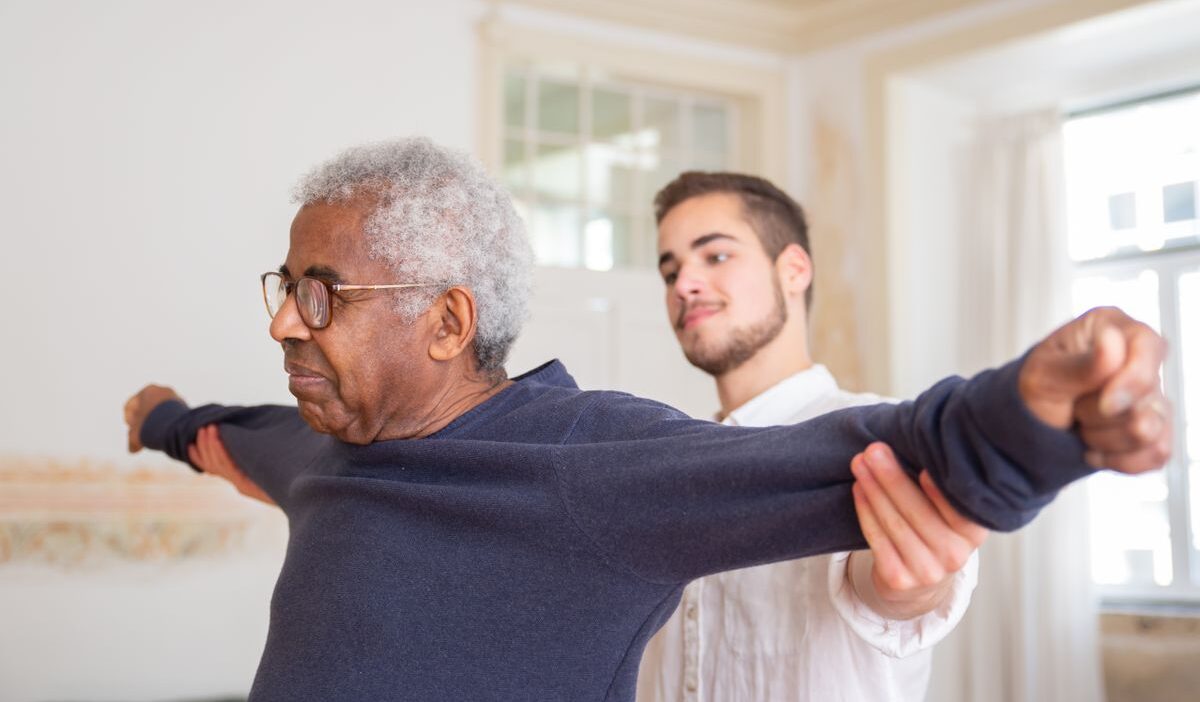
Limited mobility, pain, or recovery after surgery can make traveling to a clinic difficult for older adults. In home physical therapy for seniors brings professional rehabilitation directly to the patient’s home, making treatment more convenient and personalized.
This guide explains how in-home therapy works, its main benefits, typical costs, insurance coverage, and how families can decide whether it is the right option for their loved one.
1. What Is In-Home Physical Therapy for Seniors?
In home physical therapy for seniors is a rehabilitation service provided by a licensed physical therapist in the patient’s home. The therapist evaluates mobility, identifies physical limitations, and creates a personalized treatment plan based on the senior’s condition and goals.
Sessions may focus on improving strength, balance, flexibility, and walking ability, as well as reducing pain or supporting recovery after surgery, illness, or injury.
Therapists may also teach safer ways to complete everyday activities, such as standing, climbing stairs, or moving between rooms.
Because treatment takes place at home, the therapist can identify potential safety risks, including loose rugs, poor lighting, or difficult furniture arrangements.
They may recommend practical changes, such as installing grab bars or removing trip hazards. This makes exercises more relevant to daily routines and can help seniors maintain greater safety and independence.
2. Who Can Benefit From In-Home Physical Therapy?
Many older adults can benefit from in home physical therapy for seniors, particularly those who have difficulty traveling or need rehabilitation in a familiar environment.
It may be recommended for seniors who:
- Are recovering from joint replacement or other surgery
- Recently experienced a fall or injury
- Have arthritis or chronic joint pain
- Live with Parkinson’s disease or multiple sclerosis
- Are recovering from a stroke
- Have balance or walking difficulties
- Experience muscle weakness or reduced mobility
- Need rehabilitation after a hospital stay
- Have chronic conditions that affect movement or endurance
- Find it difficult or unsafe to travel to an outpatient clinic

>>> Read more: How Much Does Assisted Living Cost? 2026 Updated Price
3. Benefits of Physical Therapy for Seniors
The benefits of physical therapy for seniors go beyond injury recovery. Regular treatment can improve mobility, reduce pain, prevent falls, and help older adults remain independent.
Improves Mobility and Strength
Age-related muscle loss and joint stiffness can make walking, standing, and completing daily tasks more difficult. In home physical therapy for seniors uses personalized exercises to improve strength, flexibility, coordination, and range of motion.
Reduces Fall Risk
Physical therapists assess balance, posture, walking patterns, and lower-body strength to identify fall risks. Targeted exercises and home safety recommendations can improve stability and help seniors move with greater confidence.
Supports Recovery After Surgery or Hospitalization
Seniors recovering from joint replacement, illness, injury, or hospitalization may need therapy to regain strength and function. At-home sessions allow patients to recover in a familiar setting while therapists monitor progress and adjust treatment as needed.
Helps Manage Chronic Conditions
Physical therapy may help seniors manage conditions such as arthritis, osteoporosis, Parkinson’s disease, stroke, and other neurological disorders. Treatment can reduce pain, maintain mobility, and slow the loss of physical function.
Promotes Independence
Improved balance, endurance, and mobility can make everyday activities safer and easier. This may help seniors continue living at home while relying less on caregivers for routine tasks.
4. Common Physical Therapy Exercises for Seniors

Treatment plans vary, but therapists often use exercises that improve strength, balance, flexibility, and mobility. Seniors should follow professional guidance, especially after surgery or when managing a medical condition.
Balance Exercises
Balance training can improve stability and reduce fall risk. Examples include:
- Heel-to-toe walking
- Side stepping
- Weight shifting
- Standing on one foot with support
Strength Training
Strengthening the legs, hips, and core can make everyday movements easier. Common exercises include chair stands, heel raises, seated leg extensions, mini squats, and resistance-band movements.
Stretching Exercises
Gentle stretches can reduce stiffness and improve range of motion. Therapists may recommend stretches for the shoulders, back, hips, calves, and hamstrings.
Walking and Endurance Training
Walking can improve endurance, cardiovascular health, and confidence. Depending on mobility, seniors may practice indoors, outdoors, or with a cane or walker.
Functional Movement Exercises
Functional exercises recreate daily tasks, such as getting up from a chair, stepping onto a curb, reaching overhead, or transferring in and out of bed. These movements help seniors perform routine activities more safely and independently.
The safest and most effective physical therapy exercises for seniors depend on the individual’s health, abilities, and treatment goals.
>>> Read more: Financial Assistance for Assisted Living: 2026 Complete Guide
5. How Much Does In-Home Physical Therapy Cost?
The cost of in home physical therapy for seniors varies by location, provider, session length, and level of care.
Private-pay providers usually charge per visit, with possible additional fees for evaluations, travel, equipment, or specialized treatment.
Before scheduling therapy, request a written estimate showing what each visit includes. Medicare or private insurance may reduce out-of-pocket costs when therapy meets coverage requirements, which are explained in the next section.
6. Does Medicare Cover In-Home Physical Therapy?
Medicare may cover in home physical therapy for seniors when it is medically necessary and provided as part of an approved home health plan.
To qualify, a healthcare provider must order the therapy, the patient must need part-time or intermittent skilled care, and the services must come from a Medicare-certified home health agency.
The patient must also be considered homebound, meaning leaving home requires significant effort or assistance.
Eligible patients generally pay $0 for Medicare-covered home health services. However, they may owe 20% of the Medicare-approved cost for durable medical equipment, such as a walker, after meeting the Part B deductible.
Not every therapist who visits a patient’s home qualifies as a Medicare home health provider. Seniors should confirm that the agency accepts Medicare and verify coverage before treatment begins. Medicare Advantage plan requirements and costs may differ.
7. Frequently Asked Questions
Is in-home physical therapy as effective as outpatient therapy?
Yes, in-home physical therapy can be effective for improving mobility, balance, strength, and daily function. However, some conditions may require specialized equipment available only in a clinic.
What is the number one exercise for seniors at home?
Walking is one of the most beneficial exercises for many seniors. Strength, balance, and flexibility exercises may also be recommended based on individual health and mobility.
Can you do physical therapy at home by yourself?
Yes, but only after a physical therapist has shown you the correct exercises and technique. Performing unsuitable exercises or using poor form may increase the risk of injury.
What should a 70 year old be doing every day at home?
Most older adults benefit from daily movement, such as walking, stretching, balance exercises, or light strength training. The safest routine depends on the person’s health and physical abilities.
How many days a week should I do physical therapy at home?
The frequency depends on the condition and treatment plan. Some exercises may be recommended daily, while others should be performed only several times a week under a therapist’s guidance.
Final Thoughts
In home physical therapy for seniors can be an excellent option for older adults who want to improve mobility, recover from surgery or illness, manage chronic conditions, and remain independent while receiving care in the comfort of their own homes.
With personalized treatment plans and one-on-one guidance, home-based therapy helps seniors build strength, reduce fall risk, and regain confidence in everyday activities.